Latest MCQs 2026 Updated APICS Certified Supply Chain Professional exam Questions
CSCP MCQs & Practice Test
MCQs and practice exam with official CSCP exam Questions - Updated on Daily Basis
100% Pass Rate

CSCP PDF MCQs : Download 100% Free CSCP exam Questions
Exam Number : CSCP
Exam Name : APICS Certified Supply Chain Professional
Vendor Name : APICS
Update : Click Here to Check Latest Update
MCQs : Check Questions
Dont Miss these CSCP MCQs before you decide to go for real exam.
Our CSCP sample test questions practice exam encompasses a comprehensive collection of Questions and Answers, meticulously Checked and accredited, complete with references and explanations where relevant. Our mission in curating the CSCP Questions and Solutions is not only to ensure you pass the CSCP exam on your first attempt but also to significantly enhance your understanding of the CSCP test topics.
If you have truly been stressed over the CSCP test Practice Test, you should simply download CSCP questions answers from killexams.com. It will save you from a multitude of issues. It clarifies your understanding of CSCP destinations and makes you confident to confront the genuine CSCP test. Make your own notes. You will observe that some questions will appear extremely simple to answer, but when you attempt them on the VCE test simulator, you will see that you answer them incorrectly. This is because those are intriguing inquiries. APICS experts create such questions that appear extremely simple, yet there is a multitude of procedures within the inquiry. We assist you in comprehending those questions with the help of our CSCP questions and answers. Our VCE test simulator will assist you in retaining and comprehending many such inquiries. When you answer those CSCP exam questions repeatedly, your ideas will be cleared, and you will not be confused when APICS changes those questions to implement specific strategies. This is how we assist applicants in breezing through their test on the first endeavor by truly enhancing their knowledge about CSCP goals.
Sometimes, breezing through the test does not matter at all, but understanding the themes is required. This is a situation in the CSCP test. We provide genuine test Dumps for the CSCP test that will assist you in getting excellent scores in the test, but the issue is not just completing the CSCP test sometimes. We provide the VCE test simulator to Strengthen your knowledge about CSCP subjects so that you can comprehend the core ideas of CSCP destinations. This is truly significant. It is not at all easy. Our team has prepared an CSCP dumps collection that will truly deliver you a good understanding of themes, along with a ensure to breeze through the test on the first endeavor. Never underestimate the power of our CSCP VCE test simulator. This will assist you greatly in comprehending and retaining CSCP questions with its Free exam PDF PDF and VCE.
You will be remarkably astonished when you see our CSCP test questions on the genuine CSCP test screen. That is genuine magic. You will be pleased to imagine that you will achieve a high score on the CSCP test because you know all the responses. You have practiced with the VCE test simulator. We have a complete pool of CSCP test questions that could be downloaded when you register at killexams.com and choose the CSCP test to download. With three months of future free updates for the CSCP test, you can plan your genuine CSCP test within that period. If you feel uncomfortable, simply extend your CSCP download account legitimacy. In any case, stay in contact with our team. We update CSCP questions when they are changed in the genuine CSCP test. That is why we have valid and modern CSCP exam questions at all times. Simply plan your next certification test and register to download your copy of CSCP exam questions.
Features of Killexams CSCP exam questions
- Instant CSCP exam questions download Access
- Comprehensive CSCP Questions and Answers
- 98% Success Rate of CSCP Exam
- Guaranteed genuine CSCP exam questions
- CSCP Questions Updated on Regular basis.
- Valid and 2026 Updated CSCP exam Practice Test
- 100% Portable CSCP exam Files
- Full featured CSCP VCE exam Simulator
- No Limit on CSCP exam download Access
- Great Discount Coupons
- 100% Secured download Account
- 100% Confidentiality Ensured
- 100% Success Guarantee
- 100% Free test questions for evaluation
- No Hidden Cost
- No Monthly Charges
- No Automatic Account Renewal
- CSCP exam Update Intimation by Email
- Free Technical Support
Exam Details and Pricing
- exam Detail: https://killexams.com/pass4sure/exam-detail/CSCP
- Pricing Details: https://killexams.com/exam-price-comparison/CSCP
- See Complete List: https://killexams.com/vendors-exam-list
Discount Coupon on Full CSCP exam questions test questions
- WC2020: 60% Flat Discount on each exam
- PROF17: 10% Further Discount on Value Greater than $69
- DEAL17: 15% Further Discount on Value Greater than $99

Exam Code: CSCP
Exam Name: APICS Certified Supply Chain Professional
Number of Questions: 150 multiple-choice questions (130 scored; 20 unscored pretest questions for statistical purposes).
Time Allotted: 3.5 hours (210 minutes).
Passing Marks: Scaled score of 300 out of 350 (raw score equivalent varies due to question weighting; no penalty for incorrect answers).
Supply Chains- Demand Management- and Forecasting
- Introduction to Supply Chains
- Supply Chain Definition and Scope
- Understanding the supply chain as a network of organizations- people- activities- information- and resources involved in delivering a product or service to the end customer.
- End-to-end supply chain processes- from raw materials to final delivery.
- Difference between supply chain management (SCM) and logistics.
- Supply Chain Components
- Suppliers- manufacturers- distributors- retailers- and customers.
- Physical flows (materials- products)- information flows- and financial flows.
- Internal and external supply chain relationships.
- Supply Chain Strategies
- Lean vs. agile supply chains.
- Push vs. pull strategies.
- Supply chain visibility and collaboration.
- Performance Metrics and Objectives
- Key performance indicators (KPIs) such as cost- service level- lead time- and inventory turnover.
- Balancing efficiency- responsiveness- and customer satisfaction.
- Global Supply Chain Considerations
- Globalization and its impact on supply chains.
- Risk management- compliance- and sustainability in supply chains.
- Demand Analysis and Patterns
- Demand Types
-Independent demand (end-customer demand) vs. dependent demand (derived from production schedules).
-Stable vs. erratic demand patterns.
- Demand Patterns
- Trends- seasonality- cyclical patterns- and random variations.
- Impact of promotions- product life cycles- and market events on demand.
- Sources of Demand Data
- Point-of-sale (POS) data- customer orders- and market intelligence.
- Internal data (sales history) vs. external data (market trends- competitor analysis).
- Demand Variability
- Causes of variability (e.g.- bullwhip effect- customer behavior- supply disruptions).
- Methods to analyze and mitigate variability.
- Market and Customer Segmentation
- Segmenting demand by customer type- geography- or product category.
- Tailoring supply chain strategies to specific segments.
- Demand Management
- Demand Management Process
- Planning- communicating- influencing- and managing customer demand.
- Collaboration between sales- marketing- and supply chain teams.
- Customer Relationship Management (CRM)
- Using CRM systems to track customer preferences and demand patterns.
- Enhancing customer satisfaction through tailored services.
- Demand Shaping
- Influencing demand through pricing- promotions- or product bundling.
- Strategies to smooth demand variability (e.g.- off-peak discounts).
- Sales and Operations Planning (S&OP)
- Integrating demand planning with supply planning.
- Cross-functional collaboration to align demand forecasts with operational capabilities.
- Demand Prioritization
- Prioritizing orders during supply constraints (e.g.- allocation strategies).
- Balancing profitability and customer service levels.
- Forecasting
- Forecasting Principles
- Importance of forecasting in supply chain planning.
- Qualitative vs. quantitative forecasting methods.
- Qualitative Forecasting Techniques
- Expert judgment- Delphi method- and market research.
- Use cases for qualitative forecasts (e.g.- new product launches).
- Quantitative Forecasting Techniques
- Time-series methods (e.g.- moving average- exponential smoothing).
- Causal methods (e.g.- regression analysis).
- Collaborative forecasting with supply chain partners.
- Forecast Accuracy
- Measuring forecast accuracy (e.g.- Mean Absolute Deviation (MAD)- Mean Absolute Percentage Error (MAPE)).
- Identifying and correcting forecast bias.
- Forecasting Tools and Systems
- Role of enterprise resource planning (ERP) systems and forecasting software.
- Incorporating real-time data and advanced analytics.
- Supply and Demand Alignment
- Supply and Demand Balancing
- Aligning production- inventory- and logistics with demand forecasts.
- Managing trade-offs between cost- service levels- and inventory.
- Inventory Management
- Role of safety stock- reorder points- and economic order quantity (EOQ).
- Just-in-time (JIT) and other inventory strategies.
- Capacity Planning
- Assessing production and logistics capacity to meet demand.
- Short-term vs. long-term capacity planning.
- Master Production Scheduling (MPS)
- Creating schedules to align production with demand forecasts.
- Integrating MPS with material requirements planning (MRP).
- Collaborative Planning- Forecasting- and Replenishment (CPFR)
- sPartnering with suppliers and customers to Strengthen supply-demand alignment.
- Sharing forecasts and inventory data for better coordination.
Global Supply Chain Networks
- Supply Chain Design and Optimization
- Supply Chain Strategy Development
- Aligning supply chain objectives with business strategy
- Porter's strategies: cost leadership (least cost)- differentiation- focus
- Vertical integration: full ownership of supply chain stages
- Horizontal integration: partnerships across similar supply chain levels
- Supply chain maturity levels: basic- functional- integrated- extended- inter-enterprise
- Supply Chain Design Principles
- Network configuration: facility location- capacity planning- distribution centers
- Flow visualization: materials- information- and financial flows
- Make-versus-buy analysis: insourcing vs. outsourcing decisions
- Total cost of ownership (TCO): includes acquisition- operation- maintenance costs
- Sourcing process: supplier selection- contract management- risk exam
- Optimization Techniques
- Network optimization models: linear programming- simulation
- Logistics network design: transportation modes- routing- warehousing
- Vehicle routing problem (VRP): optimizing delivery routes for efficiency
- Risk mitigation in design: contingency planning- diversification
- Sustainability integration: eco-friendly sourcing- green logistics
- End-to-End Connectivity and Visibility
- Connectivity Frameworks
- Business-to-business (B2B) e-commerce: internet-based transactions between partners
- Collaborative planning- forecasting- and replenishment (CPFR): joint demand planning
- Advanced planning and scheduling (APS): software for integrated planning
- Extensible Markup Language (XML): standard for data exchange across systems
- Electronic data interchange (EDI): structured electronic communication for transactions
- Visibility Technologies and Tools
- Electronic product code (EPC): unique identifier for tracking products
- Radio-frequency identification (RFID): wireless tracking using tags
- Global positioning system (GPS): real-time location monitoring
- Internet of Things (IoT): connected devices for supply chain data collection
- Blockchain: distributed ledger for transparent- tamper-proof transactions
- Integration and Collaboration
- End-to-end visibility: tracking from supplier to customer
- Virtual organizations: transformed structures via connectivity for agility
- Customer relationship management (CRM) integration: demand visibility
- supplier relationship management (SRM): collaborative supplier portals
- Data sharing standards: common frameworks for interoperability
- Supply Chain Metrics and Reports
- Key Performance Indicators (KPIs)
- Customer-focused: on-time delivery- fill rate- perfect order percentage
- Financial metrics: total supply chain cost- cash-to-cash cycle time
- Operational metrics: inventory turns- order cycle time- capacity utilization
- Reliability metrics: supplier performance index- defect rate
- Agility metrics: response time- flexibility index
- Measurement Frameworks
- SCOR model (Supply Chain Operations Reference): plan- source- make- deliver- return- enable processes
- Balanced scorecard: financial- customer- internal process- learning/growth perspectives
- Six Sigma metrics: defect per million opportunities (DPMO)- process capability (Cp/Cpk)
- Benchmarking: comparing against industry standards
- Global Reporting Initiative (GRI): sustainability metrics for environmental impact
- Reporting and Analysis
- Performance dashboards: real-time visualization tools
- Analytics tools: data mining for trend analysis
- Root cause analysis: fishbone diagrams- Pareto charts
- Continuous improvement reports: Kaizen events- PDCA cycle
- Risk and compliance reporting: audit trails- regulatory adherence
Sourcing Products and Services
- Aligning Sourcing to Demand
- Demand forecasting and its impact on sourcing
- Sourcing strategies aligned with demand variability
- Collaborative planning- forecasting- and replenishment (CPFR)
- Balancing supply and demand through sourcing decisions
- Just-in-time (JIT) sourcing
- Lean sourcing principles
- Demand-driven supply chain alignment
- Risk management in demand-aligned sourcing
- Inventory optimization through sourcing
- Lead time management and its effect on sourcing
- Category Strategy for Sourcing
- Development of sourcing category strategies
- Category management principles
- Strategic sourcing vs. tactical sourcing
- Total cost of ownership (TCO) analysis
- supplier segmentation and category prioritization
- Kraljic matrix for sourcing strategy
- Make-or-buy decisions
- Outsourcing and offshoring strategies
- Sustainable sourcing practices
- supplier relationship management (SRM) in category strategy
- Product Design Influence
- Design for supply chain (DFSC)
- Early supplier involvement (ESI) in product design
- Design for manufacturability (DFM)
- Design for logistics (DFL)
- Product lifecycle management (PLM)
- Value engineering in sourcing
- Standardization and modular design
- Impact of design on sourcing costs
- Sustainability in product design
- Collaboration between design and sourcing teams
- supplier Selection- Contracting- and Use
- supplier evaluation and selection criteria
- Request for proposal (RFP) and request for quotation (RFQ)
- supplier qualification and certification processes
- Contract negotiation and management
- Types of supplier contracts (fixed-price- cost-plus- etc.)
- supplier performance monitoring and metrics
- supplier development and improvement programs
- Managing supplier relationships
- Risk mitigation in supplier selection
- Ethical and legal considerations in contracting
Internal Operations and Inventory
- Planning Operations
- Operations Planning Process
- Aligning production plans with demand forecasts and resource availability.
- Using sales and operations planning (S&OP) to balance supply and demand.
- Developing rough-cut capacity plans to validate feasibility.
- Master Scheduling
- Creating a master production schedule (MPS) for make-to-stock- make-to-order- and engineer-to-order environments.
- Time-fencing to protect schedule stability (e.g.- frozen zones).
- Available-to-promise (ATP) and capable-to-promise (CTP) calculations.
- Material Requirements Planning (MRP)
- Exploding bills of material (BOM) to generate gross and net requirements.
- Processing MRP logic: netting- lot sizing- offsetting lead times.
- Handling dependent demand for components and assemblies.
- Capacity and Production Activity Control
- Capacity Management
- Infinite vs. finite loading to match capacity with demand.
- Rough-cut capacity planning (RCCP) and capacity requirements planning (CRP).
- Load leveling and bottleneck identification.
- Production Activity Control (PAC)
- Scheduling jobs using forward- backward- or bidirectional methods.
- Gantt charts and input/output analysis for shop floor control.
- Dispatching rules: shortest processing time- earliest due date- first-come-first-served (FCFS).
- Lean Production and Theory of Constraints (TOC)
- Implementing just-in-time (JIT) and pull systems to reduce waste.
- Identifying and exploiting constraints using drum-buffer-rope (DBR).
- Value-added vs. non-value-added activities.
- Inventory
- Inventory Fundamentals
- Role of inventory in balancing supply and demand uncertainties.
- Inventory types: raw materials- work-in-process (WIP)- finished goods- maintenance/repair/operating (MRO) supplies.
- ABC analysis for classifying items by value and control effort.
- Inventory Planning and Control
- Economic order quantity (EOQ) model for minimizing holding and ordering costs.
- Periodic vs. perpetual inventory systems and cycle counting.
- Vendor-managed inventory (VMI) and consignment stock.
- Inventory Valuation and Metrics
- Costing methods: FIFO- LIFO- weighted average.
- Key metrics: inventory turnover- days of inventory- fill rate.
- Excess and obsolete (E&O) inventory management.
- Performance and Continuous Improvement
- Performance Measurement
- Balanced scorecard integrating financial and non-financial metrics.
- Supply chain operations reference (SCOR) model for process benchmarking.
- Key performance indicators (KPIs): on-time delivery (OTD)- perfect order rate.
- Quality Management
- Total quality management (TQM) and Six Sigma for defect reduction.
- ISO 9001 standards and quality tools (e.g.- fishbone diagrams- control charts).
- Cost of quality: prevention- appraisal- internal/external failure costs.
- Continuous Improvement Tools
- Plan-Do-Check-Act (PDCA) cycle for iterative enhancements.
- Kaizen events and 5S methodology (Sort- Set in order- Shine- Standardize- Sustain).
- Business process reengineering (BPR) for radical improvements.
Forward and Reverse Logistics
- Logistics and Distribution
- Logistics Strategy
- Developing integrated logistics strategies aligned with supply chain goals
- Balancing cost- service levels- and agility in logistics planning
- Role of logistics in customer satisfaction and competitive advantage
- Warehousing and Materials Handling
- Warehouse design and layout optimization for throughput and storage efficiency
- Materials handling equipment selection (e.g.- conveyors- forklifts- automated systems)
- Inventory storage strategies (e.g.- fixed- random- zone picking)
- Cross-docking and flow-through operations to reduce handling time
- Distribution Network Design
- Factors influencing distribution center location (e.g.- proximity to markets- transportation costs)
- Hub-and-spoke vs. direct shipping models
- Multi-echelon inventory deployment for global networks
- Distribution Services and Transportation Choices
- Distribution Services
- Order management processes (e.g.- order fulfillment- picking accuracy- on-time delivery)
- Customer service metrics (e.g.- fill rate- perfect order rate)
- Packaging and labeling for safe- efficient distribution
- Transportation Modes and Carrier Selection
- Comparison of transportation modes (e.g.- truckload- less-than-truckload- rail- air- ocean- intermodal)
- Carrier selection criteria (e.g.- cost- transit time- reliability- capacity)
- Freight consolidation and pooling strategies
- Transportation Management
- Routing and scheduling optimization using software tools
- Freight payment and auditing processes
- Performance measurement (e.g.- on-time delivery- cost per shipment)
- Trade Considerations
- Import/Export Regulations and Documentation
- Compliance with international trade laws (e.g.- tariffs- quotas- anti-dumping duties)
- Required documentation (e.g.- commercial invoice- bill of lading- certificate of origin)
- Customs clearance processes and bonded warehouses
- Trade Zones and Blocs
- Free trade zones (FTZs)- special economic zones (SEZs)- and their benefits (e.g.- duty deferral)
- Impact of trade agreements (e.g.- USMCA- EU single market) on supply chains
- Incoterms (International Commercial Terms) for risk and cost allocation
- Legal- Security- and Regulatory Requirements
- Security standards (e.g.- C-TPAT for supply chain security)
- Environmental regulations affecting transportation (e.g.- emissions standards)
- Risk mitigation for trade disruptions (e.g.- geopolitical events)
- Reverse Flow
- Reverse Logistics Processes
- Managing returns- repairs- refurbishment- and recycling
- Gatekeeping strategies to control and reduce unauthorized returns
- Closed-loop supply chains integrating forward and reverse flows
- End-of-Life Management
- Strategies for product disposal- remanufacturing- and reuse (e.g.- 3Rs: reduce- reuse- recycle)
- Waste hierarchy and cradle-to-cradle principles
- Economic and environmental impacts of reverse logistics
- Performance Measurement in Reverse Logistics
- Metrics for returns processing (e.g.- return rate- recovery value)
- Integration with sustainability goals and circular economy
Supply Chain Relationships
- Customer Relationships
- Customer Relationship Management (CRM) Fundamentals
- Definition and objectives of CRM in supply chain context
- Strategies for segmenting customers based on value- needs- and behavior
- Role of CRM in aligning supply chain processes with customer expectations
- Terminologies: CRM system- customer segmentation- customer lifetime value (CLV)- 80/20 rule (Pareto principle)- customer profitability analysis
- Developing Customer Relationships
- Approaches to building long-term partnerships: collaborative planning- forecasting- and replenishment (CPFR)
- Techniques for fostering trust and communication: joint business planning- shared KPIs
- Customization strategies: mass customization vs. standardization for customer needs
- Terminologies: CPFR- vendor-managed inventory (VMI)- efficient consumer response (ECR)- customer intimacy- relationship lifecycle (initiation- growth- maturity- decline)
- Measuring Customer Relationship Performance
- Metrics for success: customer satisfaction scores- net promoter score (NPS)- service level agreements (SLAs)
- Tools for evaluation: balanced scorecard- customer feedback loops- performance dashboards
- Benchmarking against industry standards and competitors
- Terminologies: NPS- SLA- customer satisfaction index (CSI)- churn rate- share of wallet- key performance indicators (KPIs) for relationships
- Maintaining and Enhancing Customer Relationships
- Conflict resolution and issue management in partnerships
- Continuous improvement: feedback integration- innovation co-development
- Leveraging technology: CRM software- data analytics for predictive engagement
- Terminologies: Customer advocacy- loyalty programs- co-innovation- relationship health index- escalation protocols
- Communication in Customer Relationships
- Dimensions of effective communication: frequency- channels- transparency
- Barriers and enablers: cultural differences- information sharing protocols
- Role in demand visibility and responsiveness
- Terminologies: Communication matrix- information velocity- transparency tiers- feedback mechanisms- omnichannel communication
- supplier and Supply Chain Relationships
- supplier Relationship Management (SRM) Fundamentals
- Definition and scope of SRM: from transactional to strategic partnerships
- supplier segmentation: strategic- preferred- transactional based on risk and spend
- Integration with overall supply chain strategy
- Terminologies: SRM framework- supplier tiering (Tier 1- Tier 2)- spend analysis- total cost of ownership (TCO)- supplier diversity
- Developing supplier and Supply Chain Relationships
- Strategies for supplier selection and onboarding: RFx processes- due diligence
- Building alliances: joint ventures- long-term contracts- shared risk/reward models
- Supply chain network design: vertical vs. horizontal integration- multi-tier collaboration
- Terminologies: supplier qualification- RFI/RFP/RFQ- keiretsu model- consortiums- supply chain maturity levels (ad hoc- defined- managed- optimized)
- Measuring supplier and Supply Chain Performance
- Key metrics: on-time delivery- quality rates- cost adherence- responsiveness
- Tools: supplier scorecards- audits- balanced supplier performance index
- Collaborative measurement: joint KPIs- supply chain councils
- Terminologies: supplier scorecard- defect rate (DPMO)- fill rate- perfect order metric- supplier development index
- Maintaining and Enhancing supplier Relationships
- supplier development programs: training- capability building- performance improvement plans
- Risk management in relationships: contingency planning- diversification
- Sustainability and ethics: fair labor- environmental compliance in partnerships
- Terminologies: supplier certification- continuous improvement (Kaizen)- root cause analysis (RCA)- ethical sourcing- resilience planning
- Communication and Collaboration in supplier Networks
- Processes for information sharing: EDI- blockchain for traceability
- Overcoming challenges: power imbalances- cultural alignment
- Third-party involvement: 3PL/4PL relationships- outsourcing governance
- Terminologies: EDI (Electronic Data Interchange)- VMI (Vendor-Managed Inventory)- bullwhip effect mitigation- collaborative platforms- governance models (e.g.- SCOR framework integration)
Supply Chain Risk
- Risk Management and Supply Chain Risks
- Fundamentals of Risk Management
- Principles of risk management in supply chain contexts- including integration with strategic planning.
- Role of risk management in aligning supply chain strategies with organizational goals.
- Terminologies: Risk Governance (oversight structure for risk decisions)- Risk Culture (shared values influencing risk behavior)- Enterprise Risk Management (ERM) (holistic approach to managing risks across the organization).
- Types of Supply Chain Risks
- Internal risks: Process failures- quality issues- labor disruptions- financial instability.
- External risks: Geopolitical events- natural disasters- market volatility- regulatory changes.
- Environmental risks: Climate change impacts- resource scarcity.
- Terminologies: Operational Risk (day-to-day process failures)- Strategic Risk (long-term threats to objectives)- Hazard Risk (physical or environmental threats)- Demand Risk (fluctuations in customer demand)- Supply Risk (disruptions in sourcing or logistics).
- Risk Identification Techniques
- Methods for spotting risks: Brainstorming sessions- SWOT analysis- scenario planning.
- Tools: Risk registers (databases tracking identified risks)- checklists based on historical data.
- Terminologies: Risk Mapping (visual representation of risk locations and impacts)- Vulnerability Assessment (evaluation of weak points in the chain)- Root Cause Analysis (identifying underlying causes of potential risks).
- Supply Chain-Specific Risk Factors
- Globalization effects: Longer lead times- dependency on single suppliers.
- Technology dependencies: Cybersecurity threats- IT system failures.
- Sustainability-related risks: Compliance with ESG standards- ethical sourcing issues.
- Terminologies: Single Point of Failure (critical dependency on one element)- Bullwhip Effect (amplified demand variability upstream)- supplier Concentration Risk (over-reliance on few suppliers).
- Risk Analysis and Response
- Risk Analysis Methods
- Qualitative analysis: Prioritizing risks based on likelihood and impact using matrices.
- Quantitative analysis: Modeling risks with simulations- probability distributions.
- Tools: Monte Carlo Simulation (probabilistic forecasting of outcomes)- Decision Trees (branching scenarios for risk evaluation)- Sensitivity Analysis (testing variable changes on outcomes).
- Terminologies: Risk Probability (likelihood of occurrence)- Risk Impact (severity of consequences)- Risk Exposure (product of probability and impact)- Heat Map (visual tool for risk prioritization).
- Risk Evaluation and Prioritization
- Balancing risks against opportunities and resources.
- Criteria: Cost-benefit analysis- alignment with risk appetite.
- Terminologies: Risk Scoring (numerical rating of risks)- Pareto Analysis (80/20 rule for focusing on high-impact risks)- Expected Monetary Value (EMV) (probability-weighted average loss).
- Risk Response Strategies
- Avoidance: Eliminating the risk source (e.g.- diversifying suppliers).
- Mitigation: Reducing probability or impact (e.g.- inventory buffers- redundancies).
- Transfer: Shifting risk to third parties (e.g.- insurance- outsourcing).
- Acceptance: Acknowledging and monitoring low-impact risks.
- Exploitation: Pursuing positive risks for gain.
- Terminologies: Hedging (financial strategy to offset risks)- Contingency Planning (backup actions for risks)- Business Continuity Planning (BCP) (strategies for ongoing operations post-disruption).
- Implementation and Monitoring
- Developing response plans- assigning responsibilities.
- Continuous monitoring: Key risk indicators (KRIs)- audits- performance metrics.
- Post-response review: Lessons learned- updating risk frameworks.
- Terminologies: Key Risk Indicators (KRIs) (metrics signaling emerging risks)- Risk Dashboard (real-time visualization of risk status)- Resilience Metrics (measures like recovery time objective - RTO- recovery point objective - RPO).
Optimization- Sustainability- and Technology
- Optimizing Supply Chain Strategy and Tactics
- Supply Chain Optimization
- Definition: Maximizing efficiency and effectiveness across the supply chain
- Key Performance Indicators (KPIs)
- Cost-to-serve analysis
- Total Cost of Ownership (TCO)
- Lean supply chain principles
- Six Sigma methodologies
- Demand-driven supply chain
- Supply chain network design
- Optimization models (linear programming- simulation)
- Strategic Alignment
- Business strategy alignment
- Supply chain strategy
- Balanced scorecard
- Strategy mapping
- Value stream mapping
- Tactical Optimization
- Inventory optimization
- Safety stock calculations
- Economic Order Quantity (EOQ)
- Reorder Point (ROP)
- Service level optimization
- Transportation optimization
- Routing and scheduling
- Warehouse optimization
- Slotting
- Cross-docking
- Capacity Planning
- Capacity utilization
- Bottleneck analysis
- Scalability
- Resource allocation
- Demand forecasting integration
- Risk Mitigation in Optimization
- Risk pooling
- Redundancy planning
- Scenario planning
- Sensitivity analysis
- Contingency planning
- Performance Measurement
- Supply Chain Operations Reference (SCOR) model
- Perfect order fulfillment
- Cash-to-cash cycle time
- Supply chain responsiveness
- Cost efficiency metrics
- Sustainability
- Sustainability Principles
- Triple Bottom Line (People- Planet- Profit)
- Corporate Social Responsibility (CSR)
- Environmental- Social- and Governance (ESG) criteria
- Sustainable development goals (SDGs)
- Environmental Sustainability
- Carbon footprint
- Greenhouse gas (GHG) emissions
- Energy efficiency
- Renewable energy in supply chains
- Waste reduction
- Reverse logistics
- Recycling and reuse
- Closed-loop supply chains
- Social Sustainability
- Ethical sourcing
- Fair labor practices
- supplier diversity
- Community engagement
- Human rights in supply chains
- Economic Sustainability
- Cost-benefit analysis of sustainability initiatives
- Long-term profitability
- Sustainable sourcing
- Green procurement
- Sustainability Standards and Frameworks
- ISO 14001 (Environmental Management Systems)
- ISO 26000 (Social Responsibility)
- Global Reporting Initiative (GRI)
- Carbon Disclosure Project (CDP)
- Sustainability Accounting Standards Board (SASB)
- Sustainability Metrics
- Carbon intensity
- Water usage
- Waste-to-revenue ratio
- Sustainable supplier scorecards
- Energy consumption metrics
- Regulatory Compliance
- Environmental regulations (e.g.- EPA- EU REACH)
- Labor laws
- Conflict minerals regulations
- Anti-corruption policies (e.g.- FCPA)
- Technology Trends
- Emerging Technologies
- Artificial Intelligence (AI)
- Machine Learning (ML)
- Internet of Things (IoT)
- Blockchain
- Big Data analytics
- Cloud computing
- Edge computing
- Digital twins
- Augmented Reality (AR) and Virtual Reality (VR)
- Robotics Process Automation (RPA)
- Supply Chain Digitalization
- Digital supply chain
- End-to-end visibility
- Real-time data analytics
- Predictive analytics
- Prescriptive analytics
- Digital transformation strategy
- Technology Applications
- Warehouse Management Systems (WMS)
- Transportation Management Systems (TMS)
- Enterprise Resource Planning (ERP) systems
- Supply Chain Planning (SCP) software
- Customer Relationship Management (CRM) integration
- supplier Relationship Management (SRM)
- Demand sensing tools
- Track-and-trace systems
- Automation and Robotics
- Automated Guided Vehicles (AGVs)
- Autonomous Mobile Robots (AMRs)
- Drones in logistics
- Automated storage and retrieval systems (AS/RS)
- Cobots (collaborative robots)
- Cybersecurity in Supply Chains
- Data encryption
- Cybersecurity frameworks (e.g.- NIST)
- Supply chain cyber risks
- Data integrity
- Secure data sharing
- Technology Implementation
- Change management
- Technology adoption roadmap
- Return on Investment (ROI) analysis
- Interoperability
- Scalability of technology solutions
- Trends and Innovations
- 5G in supply chain connectivity
- Additive manufacturing (3D printing)
- Smart contracts
- Autonomous vehicles in logistics
- Internet of Supply Chain (IoSC)
- Sustainability-focused technologies
Start preparing these CSCP Dumps and relax.
When I lost my APICS Certified Supply Chain Professional syllabus just a week before my exam, I was thinking about how I would cope with the situation. However, thanks to Killexams.com, I was able to obtain the syllabus and prepare for the exam with ease. The syllabus is a critical document that guides the course of instruction, and I am grateful to my friend for introducing me to Killexams.com.
I want updated CSCP subjects!
Testprep materials consistently improved my CSCP exam scores, with their query bank providing fantastic support. Their exceptional resources led to high marks, and I am thankful for their reliable assistance.
Take a smart move; obtain these CSCP questions and answers.
When it became clear that my work would require me to deal with an CSCP client base, I decided to take the initiative and become the office go-to CSCP expert. A friend recommended the Killexams.com CSCP demo, which I loved and subsequently purchased. The exam simulator proved to be fantastic, and thanks to the Killexams.com study kit, I am now the new CSCP manager.
Where can I find the latest genuine questions for CSCP practice tests?
Killexams.com gave me hope when passing the CSCP exam seemed impossible. Their online education tool helped me achieve a 91% score. I am truly thankful for their invaluable support.
New syllabus and study guide with questions for the CSCP exam are provided right here.
The CSCP exam is not easy, but with the Killexams.com preparation package, I scored a perfect 100%. The package includes genuine exam questions, modern updates, and extra materials to ensure that you understand what needs to be learned. I used their exam simulator extensively, which gave me the confidence to pass the exam on the day. This has been a tremendous investment in my career, and I have proudly included my marks on my resume and LinkedIn profile as a recognition booster.

| PDF Questions and Answers | : 2381 (Complete Set) |
| File Format | |
| Latest Update | : March 17, 2026 |
| Files Delivery | : Instant (5 to 10 min.) |
| Compatibility | : All Desktop and Mobile Devices |
| Delivery Method | : download Account |
| Sample Download | : CSCP exam PDF |

|
| Online Test Engine Questions | : 2381 |
| Testing Limit | : Unlimited |
| Access Type | : Online |
| Latest Update | : March 17, 2026 |
| Access Activation | : Instant (5 to 10 min.) |
| Supported OS | : Mac, Windows, Android, iPhone / iPad, Linux |
| Delivery Method | : Username/Password |
|
|
Killexams.com provides an Online Test Engine designed to help candidates practice exam questions in a structured and interactive environment. The Test Engine is compatible with iPhone, iPad, Android, Windows, and Mac, allowing you to study and practice on the device that best fits your schedule.
The CSCP Online Test Engine enables candidates to simulate real exam-style practice sessions, review answers, and track progress over time. This learning approach helps users practice exam questions, question formats and Strengthen time management while preparing for the APICS Certified Supply Chain Professional exam.
The Test Engine includes features that support effective learning, such as customizable practice sessions, question review modes, and progress tracking. These tools are designed to assist candidates in identifying knowledge gaps and reinforcing key concepts through repeated practice rather than memorization alone.
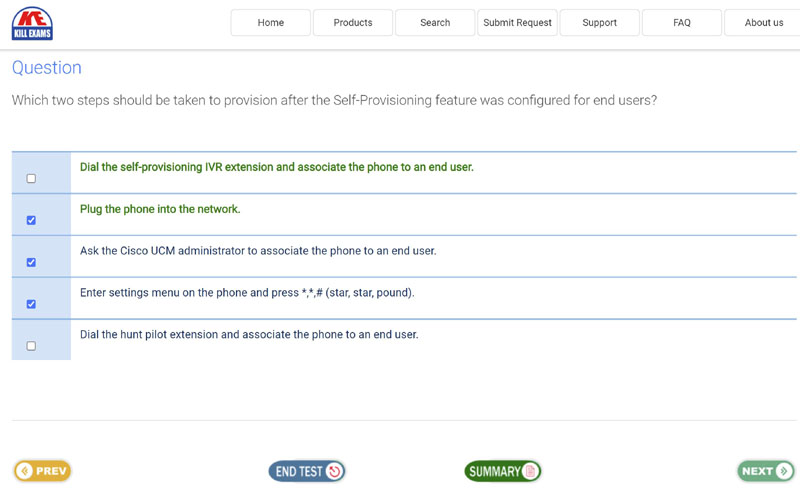
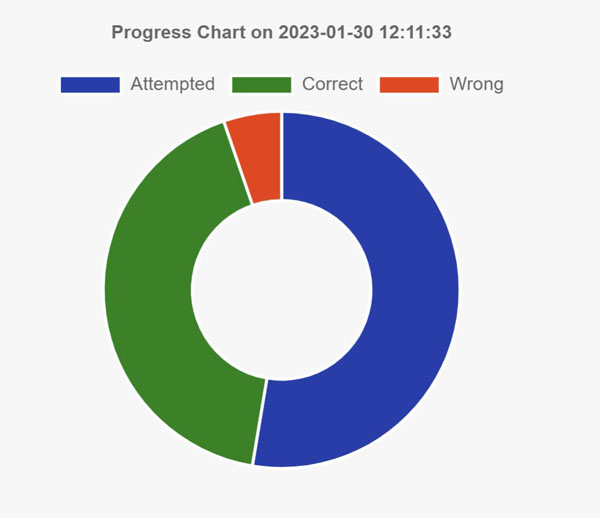
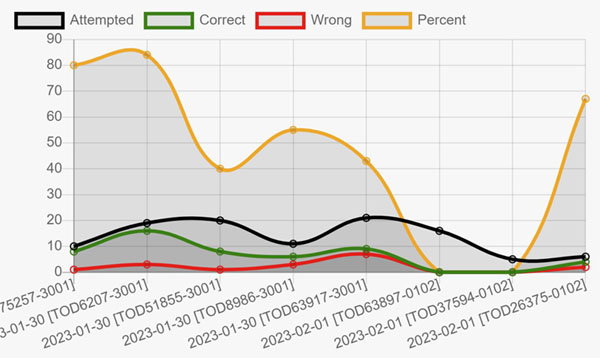
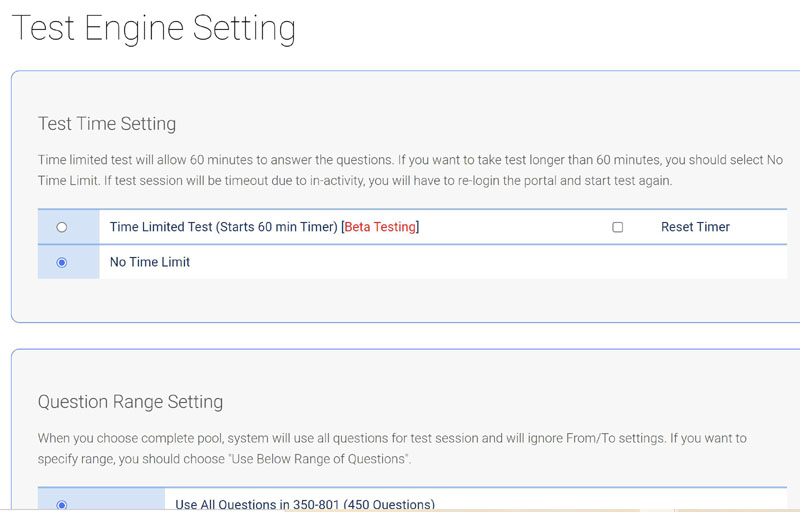
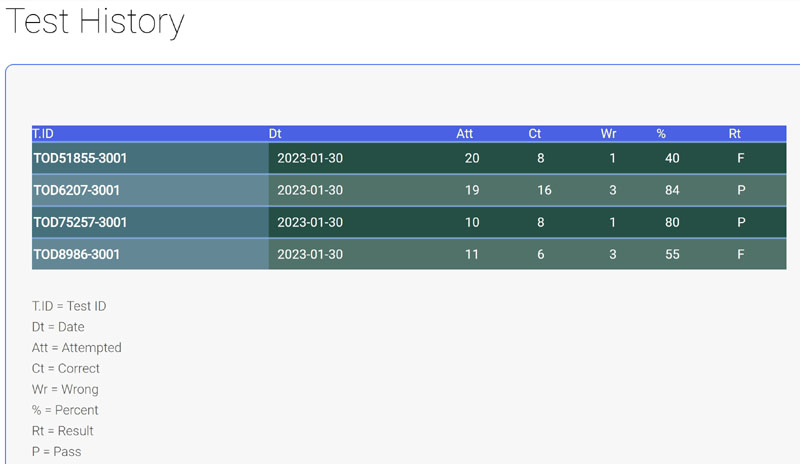
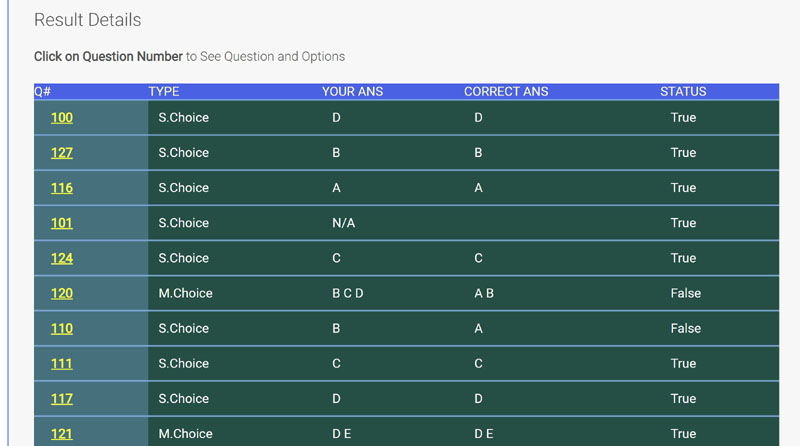
The Online Test Engine maintains practice history, performance summaries, and visual progress reports. Where available, questions may include explanations or reference information to support better understanding of exam topics. Content is reviewed and updated periodically to reflect relevant syllabus changes and maintain consistency with exam objectives.
| Desktop Test Engine Questions | : 2381 |
| Software Version | : 3.0.9 |
| Access | : Unlimited |
| Latest Update | : March 17, 2026 |
| Access Activation | : Instant (5 to 10 min.) |
| Support OS | : Windows (All Versions) |
| Delivery Method | : Username/Password |
|
|
The Killexams Desktop exam Simulator (version 3.0.9) is a dedicated test preparation software designed to support candidates preparing for the CSCP exam. The simulator provides a structured desktop-based practice environment that allows users to work through exam-style questions and review their performance in detail.
By practicing with the APICS Certified Supply Chain Professional exam Simulator, candidates can become familiar with question formats, exam navigation, and time-based testing conditions similar to those used in official exams. This experience helps users build confidence across exam subjects and identify areas that may require additional study.
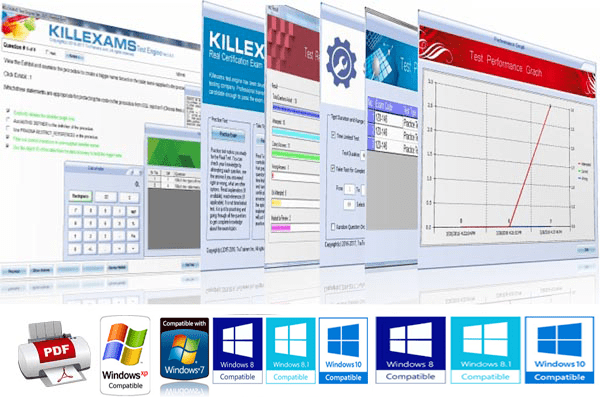
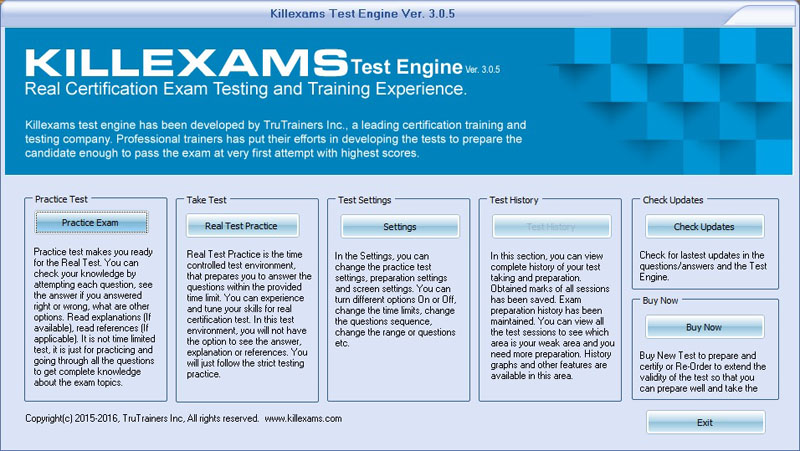
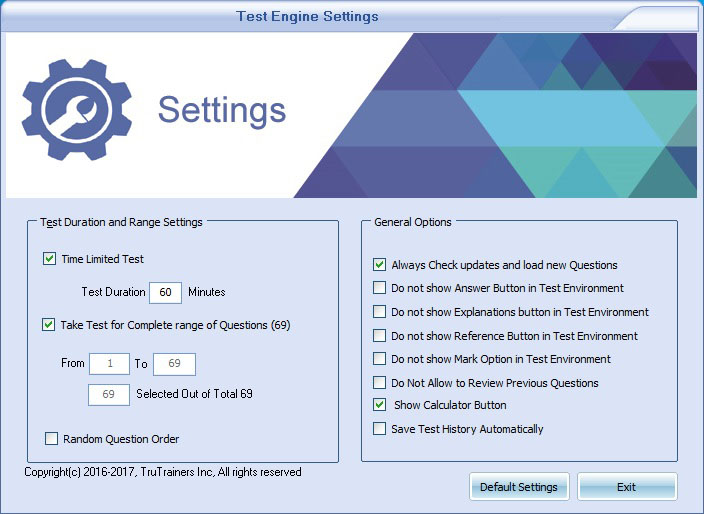
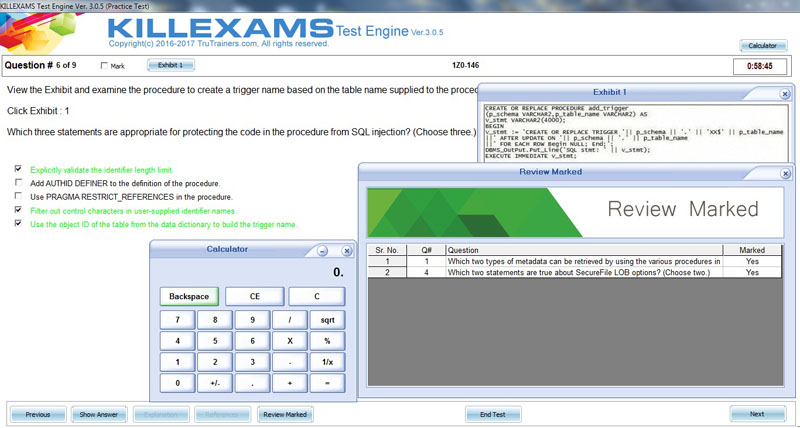
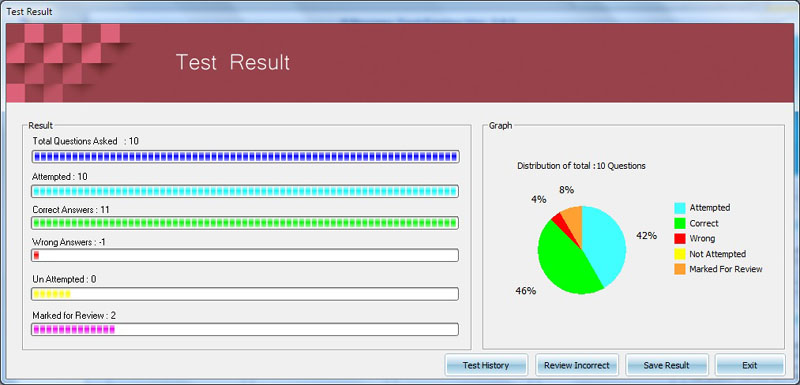
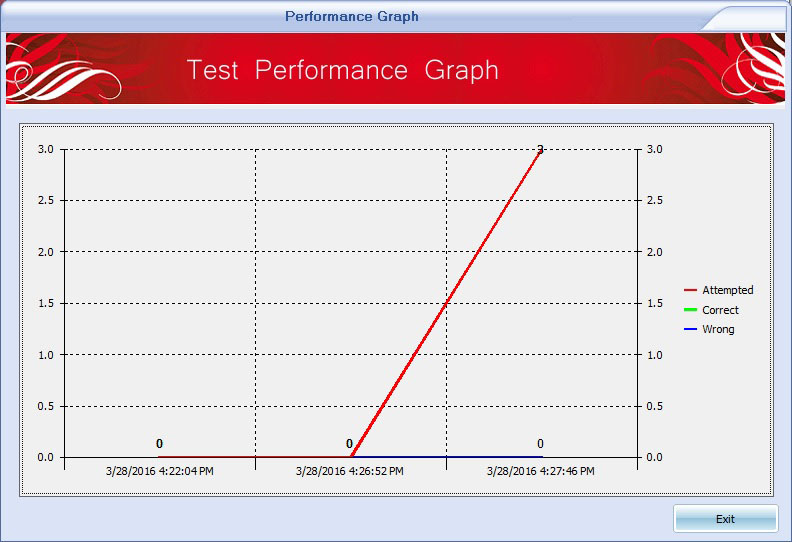
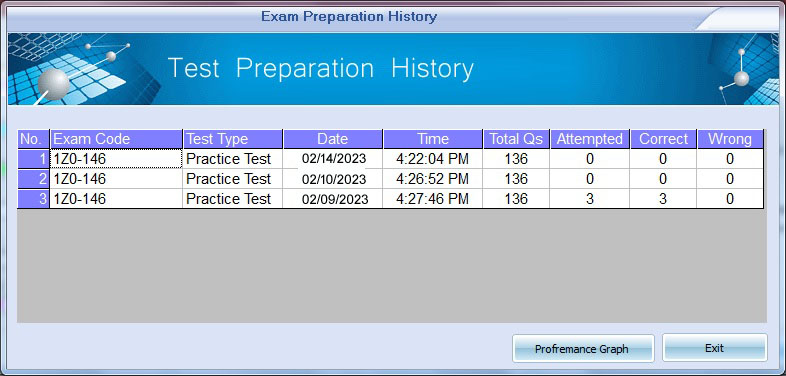
The Desktop exam Simulator records practice history, performance summaries, and graphical progress reports. Where available, questions may include explanations or reference information to support understanding of correct and incorrect answers. The simulator content is reviewed and updated periodically to remain aligned with current exam objectives and syllabus requirements.

Choosing the right resource for certification preparation can be challenging, as candidates seek reliable, high-quality and accurate materials to ensure success. Killexams.com is dedicated to providing top-tier practice tests containing genuine questions, meticulously updated to maintain accuracy and relevance. Our commitment to excellence has earned the trust of countless satisfied candidates who have successfully passed their exams with ease and confidence. At Killexams.com, we prioritize quality, credibility, and customer satisfaction, ensuring our practice tests, PDF questions, and exam simulators are designed to deliver exceptional value. We stand by our reputation, built on consistent positive feedback and proven results. Be cautious of misleading claims from competitors attempting to undermine our trusted service. With thousands of successful candidates and a robust suite of preparation tools, Killexams.com is your dependable partner for certification success. Explore our sample questions and exam simulators to experience why we are recognized as a leading provider of certification practice tests.
Is Killexams.com Legit?
Indeed, Killexams is hundred percent legit together with fully reliable. There are several includes that makes killexams.com reliable and legit. It provides up to par and hundred percent valid exam questions including real exams questions and answers. Price is small as compared to the majority of the services on internet. The Dumps are up to date on ordinary basis along with most exact testprep. Killexams account structure and product or service delivery is incredibly fast. Document downloading is unlimited and very fast. Aid is avaiable via Livechat and Email address. These are the features that makes killexams.com a robust website that include practice tests with real exams questions.
Are killexams practice tests Reliable?
The simple answer is YES – you can rely on killexams.com for authentic and updated exam Questions and Answers. Many so-called exam dumps, practice tests, study guides, and braindumps providers in the market are just re-sellers offering outdated or recycled content. Killexams.com stands out as the best exam Preparation Website of Year 2026 because we understand the real challenge candidates face when wasting time on obsolete material from free PDF downloads or unreliable sources. That’s why our exam dumps collection is updated regularly, in sync with the Real Test updates.
At killexams.com, we provide trusted, accurate, and frequently validated practice exam Questions created by Certified Professionals. Our reliable MCQs is maintained daily to ensure you study the latest syllabus subjects and course content. With our updated PDF test questions and Practice Tests, you not only pass your exam quickly but also Strengthen your knowledge of the latest exam syllabus.
To ensure exam success, simply download our PDF exam Questions and start practicing. When you upgrade to our Premium Version, registration takes only a few minutes, and your login details will be delivered to your email instantly. Your account will also include free access to all future updates and newly added MCQs. You can re-download the Premium PDF files without any limits.
Killexams.com also offers advanced Test Engine Software that simulates the genuine exam environment. You can attempt Real exam Questions, track your performance, and practice unlimited times until you achieve 100% readiness. Once you start scoring full marks with the complete question pool, you will be fully prepared for the genuine certification exam. Register today, schedule your test, and enjoy guaranteed success with killexams.com.
CLTD testing | CSCP test | CPIM-V8 Latest Questions | CTSC testprep |
CSCP - APICS Certified Supply Chain Professional PDF Questions
CSCP - APICS Certified Supply Chain Professional learn
CSCP - APICS Certified Supply Chain Professional cheat sheet
CSCP - APICS Certified Supply Chain Professional boot camp
CSCP - APICS Certified Supply Chain Professional exam cram
CSCP - APICS Certified Supply Chain Professional genuine Questions
CSCP - APICS Certified Supply Chain Professional test
CSCP - APICS Certified Supply Chain Professional exam cram
CSCP - APICS Certified Supply Chain Professional certification
CSCP - APICS Certified Supply Chain Professional Latest Questions
CSCP - APICS Certified Supply Chain Professional real questions
CSCP - APICS Certified Supply Chain Professional information source
CSCP - APICS Certified Supply Chain Professional Practice Questions
CSCP - APICS Certified Supply Chain Professional official test
CSCP - APICS Certified Supply Chain Professional Test Prep
CSCP - APICS Certified Supply Chain Professional Study Guide
CSCP - APICS Certified Supply Chain Professional genuine Questions
CSCP - APICS Certified Supply Chain Professional syllabus
CSCP - APICS Certified Supply Chain Professional test prep
CSCP - APICS Certified Supply Chain Professional Real exam Questions
CSCP - APICS Certified Supply Chain Professional study help
CSCP - APICS Certified Supply Chain Professional testprep questions
CSCP - APICS Certified Supply Chain Professional PDF Questions
CSCP - APICS Certified Supply Chain Professional information source
CSCP - APICS Certified Supply Chain Professional PDF Download
CSCP - APICS Certified Supply Chain Professional course outline
CSCP - APICS Certified Supply Chain Professional exam success
CSCP - APICS Certified Supply Chain Professional study guide
CSCP - APICS Certified Supply Chain Professional PDF Questions
CSCP - APICS Certified Supply Chain Professional testprep
CSCP - APICS Certified Supply Chain Professional exam Questions
CSCP - APICS Certified Supply Chain Professional study tips
CSCP - APICS Certified Supply Chain Professional Test Prep
CSCP - APICS Certified Supply Chain Professional outline
CSCP - APICS Certified Supply Chain Professional Free PDF
CSCP - APICS Certified Supply Chain Professional exam Cram
CSCP - APICS Certified Supply Chain Professional study help
CSCP - APICS Certified Supply Chain Professional information hunger
CSCP - APICS Certified Supply Chain Professional real questions
CSCP - APICS Certified Supply Chain Professional Latest Questions
CSCP - APICS Certified Supply Chain Professional genuine Questions
CSCP - APICS Certified Supply Chain Professional exam contents
CSCP - APICS Certified Supply Chain Professional exam Questions
CSCP - APICS Certified Supply Chain Professional cheat sheet
CPIM-V8 exam success | CSCP Practice Questions | CLTD exam Questions | CTSC real questions |
CFTe-II exam answers | DSST-HRM free questions | CQA prep questions | COH-125 test engine | COH-500 Computerized Adaptive Testing (CAT) | COH-285 latest pdf | COH-100 free practice test | COH-350 online exam | COH-284 pdf questions | COH-150 mock exam | MS-102 practice questions | AZ-700 online coaching | MD-102 free exam papers | MB-700 past exams | MB-800 exam preparation | Property-and-Casualty Practice test | Vault-Operations-Professional practice questions | RDMS-AB practice questions | Vault-Associate-003 free pdf | Terraform-Associate-004 mock exam |
http://killexams-braindumps.blogspot.com/2020/06/pass-cscp-exam-with-cscp-latest-topics.html
https://killexams-posting.dropmark.com/817438/23697192
https://www.instapaper.com/read/1320446541
https://killexams-posting.dropmark.com/817438/23792631
http://feeds.feedburner.com/SimplyRememberTheseCscpQuestionsBeforeYouGoForTest
https://youtu.be/VEvUDLJDgV4
https://sites.google.com/view/killexams-cscp-exam-questions
http://killexams12.isblog.net/cscp-apics-certified-supply-chain-professional-question-bank-with-real-questions-by-killexams-com-14569898
https://killexamscscp.jimdofree.com/
https://files.fm/f/z5yp4sbxk
Similar Websites :
iPass4sure Certification Questions
Pass4Sure exam Questions
