Latest MCQs 2026 Updated Certified Government Financial Manager exam Questions
CGFM MCQs & Practice Test
MCQs and VCE exam with official CGFM exam Questions - Updated on Daily Basis
100% Pass Rate

CGFM PDF MCQs : Download 100% Free CGFM exam Questions
Exam Number : CGFM
Exam Name : Certified Government Financial Manager
Vendor Name : AGA
Update : Click Here to Check Latest Update
MCQs : Check Questions
Try not to Miss these AGA CGFM online exam practice with Questions and Answers
Save time and money by skipping the search for updated Certified Government Financial Manager questions. Register on killexams.com to get free VCE exam samples and purchase the complete CGFM practice test version. Study with our premium VCE exam materials, available through Online Test Engine or Desktop Test Engine, and confidently pass the CGFM exam.
When passing the CGFM test genuinely matters to you, you need only to get CGFM Latest Questions through killexams.com. It will undoubtedly save you from a wide range of issues that you would encounter with free test questions available on the internet. It will clarify your concepts regarding CGFM objectives and empower you with confidence to face the real CGFM exam.
You will observe that some questions, while appearing quite simple, are actually tricky. AGA experts effectively craft such questions that seem straightforward but, in reality, contain many complexities. We assist you in understanding these questions with the aid of our CGFM practice test. The VCE test simulator will be invaluable in helping you memorize and comprehend a wide range of these questions. Once you answer those CGFM Latest Topics repeatedly, your concepts will become perfectly clear, and you will not be confused when facing genuine questions. This is precisely how we help you pass your test on the first attempt by genuinely boosting your understanding of CGFM matters and the latest CGFM syllabus.
Features of Killexams CGFM Latest Topics
- Instant CGFM Latest Topics get Access
- Comprehensive CGFM Questions and Answers
- Remarkable 98% Success Rate of CGFM Exam
- Guaranteed actual CGFM exam questions
- CGFM Questions Updated on Regular basis.
- Valid and 2026 Updated CGFM exam Dumps
- 100% Portable CGFM exam Files
- Full featured CGFM VCE exam Simulator
- No Limit on CGFM exam get Access
- Great Discount Coupons
- 100% Secured get Account
- 100% Confidentiality Ensured
- 100% Success Guarantee
- 100% Free practice questions sample Questions
- No Hidden Cost
- No Monthly Charges
- No Automatic Account Renewal
- CGFM exam Update Intimation by Email
- Free Technical Support
Exam Detail at : https://killexams.com/pass4sure/exam-detail/CGFM
Pricing Details at : https://killexams.com/exam-price-comparison/CGFM
See Complete List : https://killexams.com/vendors-exam-list
Discount Coupon on Full CGFM Latest Topics free mcqs;
- WC2020: 60% Flat Discount on each exam
- PROF17: 10% Further Discount on Value Greater than $69
- DEAL17: 15% Further Discount on Value Greater than $99

Exam ID : CGFM
Exam Name : Certified Government Financial Manager(R)
Questions : 115 questions
Duration : 2 hrs 15 min.
I: Organization- Structure and Authority of Government (15%)
A. Demonstrate an understanding of the levels of government- including:
- The three levels of government: federal- state and local.
- The interrelationships among the three levels of government: federal- state and local.
B. Demonstrate an understanding of the branches of government – legislative- executive- judicial – including:
- The roles of the three branches.
- The interrelationships among the three branches.
- The checks and balances through separation of powers among the three branches.
C. Demonstrate an understanding of the components of federal- state and local governments (e.g.- central management and accountability agencies- departments- agencies- bureaus- commissions- divisions).
D. Demonstrate an understanding of the authorities and responsibilities of the government (e.g.- government-wide and departmental)- including:
The federal government- its hierarchy and constraints (e.g.- U.S. Constitution- federal laws- executive orders- rules and regulations).
The state governments- their hierarchies and constraints (e.g.- U.S. Constitution- state constitutions- state laws- executive orders- rules and regulations).
The local governments- their hierarchies and constraints (e.g.- state constitutions- state laws- local charters- local ordinances- executive orders- rules and regulations).
Tribal government sovereignty.
E. Demonstrate an understanding of the authorities and responsibilities of the different types of governments- including:
The differentiation among general-purpose governments- special-purpose governments and quasi-governmental entities (e.g.- federal- states- cities- counties- territories- authorities- school districts- government corporations- government-sponsored enterprises).
The interrelationships among general-purpose governments- special-purpose governments and quasi-governmental entities.
The role of jointly-governed organizations (e.g.- transit agencies).
II: Legally-Based Implications of the Government Financial Environment (15%)
A. Demonstrate an understanding of the implications of sovereignty in the levels of government- including:
- The meaning- application and limitations of sovereign authority.
- The power of governments to tax and borrow.
- The power of the federal government to establish monetary policy.
B. Demonstrate an understanding of the budget- including:
- The role and significance of the budget in government.
- The objectives of the budget (e.g.- policy document- operations guide- financial plan- communications device).
- The objectives of the budget process (e.g.- define priorities- debate policy- allocate resources- identify revenue sources).
- The legal aspects of the government budget (e.g.- control levels- spending limits- fund types- balanced budgeting).
- The principles of legislative control over governmental finance (e.g.- appropriating funds- establishing spending levels- establishing spending conditions).
- How the executive branch controls spending (e.g.- monitoring budget execution- planning for allocation of resources over time and among programs).
- How judicial decisions affect government spending.
- The role of other budget control devices (e.g.- apportionments- allotments- encumbrances/obligations- funds- function- department- activity- object).
C. Demonstrate an understanding of how establishing special funds or dedicated revenues helps fulfill legal requirements.
D. Demonstrate an understanding of legislative “earmarking.”
III: Demonstrate an Understanding of the Government Management System (Cycle)- Including: (16%)
A. The elements of the government management system- including strategic planning- programming- budgeting- operations- accounting- reporting and auditing.
B. The interrelationships among the elements of the government management system.
C. The importance of data in the government management system (cycle).
IV: Governmental Financing Process (24%)
A. Demonstrate an understanding of the role of taxation- including:
- The elements of tax policy (e.g.- what to tax- who to tax- how much to tax- why to tax).
- The various types of taxes for each level of government and the roles and advantages of each type (e.g.- income- wealth- consumption).
- The nature and role of tax expenditures.
- Tax limitations and exclusions.
B. Demonstrate an understanding of intergovernmental revenues- including:
- The differences among contracts- shared revenues and grants.
- The differences among the types of grants (e.g.- formula grants- discretionary grants- block grants).
- The requirements and expectations of the grantor and grantee throughout the grant lifecycle- including the role of the Uniform Guidance.
C. Demonstrate an understanding of other forms of financing- including:
Other forms of government revenues (e.g.- investment income- user fees- licenses- lotteries- donations).
The rationales for establishing user fees (e.g.- recover costs- expand service capacity- encourage or limit use of services).
The use of public-private partnerships.
D. Demonstrate an understanding of the role of debt- including:
- Purposes of entering into debt.
- Factors that should be considered before entering into debt (e.g.- ability to pay- purpose- interest rate- tax base).
- The types of debt limitations (e.g.- statutory- bond covenants).
- Factors that should be included in debt policies (e.g.- available tax base- debt maturities).
- The various types of financing options (e.g.- notes- bonds- lease-purchase- certificates of participation).
- The sources and methods of repaying debt (e.g.- dedicated taxes- user fees- general revenues).
- The role of credit rating agencies in the debt issuance process.
- The role of insurance and guarantees in the debt issuance process.
V: Identify the Concepts- Definitions and Notions of Public Accountability- Including: (12%)
A. The meaning and purpose of accountability in the government environment (e.g.- the Chief Financial Officers (CFO) Act of 1990).
B. The role and key attributes of accountability (e.g.- disclosure- organization structure- reporting)-
and their interrelationships.
C. Elements for which a government should be accountable (e.g.- performance- financial- compliance- efficiency and effectiveness- stewardship of assets).
D. The primary stakeholders in accountability (e.g.- legislators- taxpayers- other governments- investors- creditors- underwriters- future generations).
E. The groups that help to establish and maintain accountability (e.g.- legislative bodies- media- management- analysts- employees- taxpayers).
F. The methods used to demonstrate and assess accountability and transparency (e.g.- audit reports- performance reports- oversight hearings- program evaluations- service efforts and accomplishment (SEA) reports- electronic reports).
G. The techniques used to assess fiscal sustainability and solvency.
H. Concepts of open government- data transparency and citizen-centric reporting (e.g.- Digital Accountability and Transparency Act of 2014 (DATA Act)- open checkbooks- open book- sunshine laws).
VI: Demonstrate an Understanding of Ethics as Applied to the Government Environment- Including: (10%)
A. The key concepts related to ethical responsibility to the public- professional conduct (e.g.- actual or perceived conflicts of interest- independence- objectivity- due care) and the sources of guidance (e.g.- the AGA Code of Ethics).
B. The steps a government financial manager needs to take to avoid a conflict of interest and to ensure objectivity and independence.
C. The concept of due care in the performance of professional duties.
D. Activities or situations that are inconsistent with the responsibilities of public officials and employees.
E. The appropriate course of action to avoid the reality or the perception of improper use of one's office for personal gain.
F. Personal responsibility as it relates to organizational codes of conduct (e.g.- whistle blower-
nepotism).
VII: Demonstrate an Understanding of Providing Government Services and Information Electronically- Including: (8%)
A. Delivery of government services and e-government (e.g.- drivers license renewal- online bill and tax payment).
B. Stakeholder real-time access to information- including electronic financial reporting.
C. The use of various media and devices for communications and providing services (e.g.- social networking- apps- mobile devices).
D. Security and privacy considerations (e.g.- the requirements of the National Institute of Standards
and Technology- encryption- cybersecurity).
I: Governmental Financial Accounting- Reporting and Budgeting: General Knowledge (40%)
A. Demonstrate an understanding of the influences- objectives and role of standards- including:
The unique financial aspects of the governmental environment that differ from the private sector (e.g.- profit versus service- importance of budget).
The concept of interperiod equity.
The objectives of governmental financial reporting (e.g.- financial accountability- budgetary accountability- program accountability).
The major uses of governmental financial reporting (e.g.- budgetary compliance- compliance with laws and regulations- assessing financial position- assessing results of operations- assessing sustainability).
The characteristics of information in governmental financial reporting (e.g.- understandability- reliability- relevance- timeliness- consistency- comparability).
The roles of the Financial Accounting Standards Board (FASB)- Governmental Accounting Standards Board (GASB) and Federal Accounting Standards Advisory Board (FASAB).
The role of the International Public Sector Accounting Standards Board (IPSASB).
Due process in the setting of accounting standards (e.g.- discussion memorandum- invitation to comment- preliminary views- exposure draft- public hearing- task forces).
The purpose of the hierarchy of generally accepted accounting principles for state/local and federal accounting and financial reporting.
The basic concepts and requirements of Open Government financial reporting.
B. Demonstrate an understanding of the concepts of managerial cost accounting and fee establishment- including:
The purposes for accumulating and reporting cost information.
The concept of full cost of outputs- incorporating inter-entity costs.
The requirements of FASAB Statement of Federal Financial Accounting Standards (SFFAS) 4- as amended: Managerial Cost Accounting Concepts and Standards.
Determining the costs under an intergovernmental cost-reimbursement contract or grant (as outlined in the Uniform Guidance).
Identification of the methods for assigning and allocating costs in a given situation (e.g.- direct- indirect).
Computation of the fee to be charged to a user.
Various cost recovery objectives (e.g.- total direct costs- operating costs- full costs- replacement costs- incremental costs).
C. Demonstrate an understanding of the concepts of budgeting- including:
The key elements of the budget process- from provision of initial guidance through preparation- review- adoption- execution and accounting.
The structure of the budget (e.g.- organizational unit- program- function- category- character- fund- line item- object).
The features of various budgetary approaches (e.g.- baseline- line item- program- zero-base- performance).
The various means for financing capital projects- including the role of a capital budget.
The methods of forecasting revenues and expenditures.
The various means of budgetary control (e.g.- revenue monitoring- encumbrance/obligation control- vacancy controls- allotment- apportionment).
D. Demonstrate an understanding of the general principles of governmental financial accounting- including:
Basic accounting processes (e.g.- debits- credits- ledger accounts- stock and flow statements- accounting period).
The differences among the various measurement focuses and bases of accounting (e.g.- economic resources- current financial resources- cash- accrual- modified accrual).
The effect of applying the various measurement focuses and bases of accounting to specific transactions.
Exchange and exchange-like versus non-exchange transactions.
How to adjust the allowance for doubtful accounts under alternative methods (e.g.- percentage of sales or percentage of accounts receivable).
The differences among various methods of valuing inventory (e.g.- First-in- First-out (FIFO)- Last-in- First-out (LIFO)- average cost).
Situations that require recording depreciation and calculation of the same.
Recording contingencies (e.g.- judgments- claims).
II: Demonstrate an Understanding of State and Local Financial Accounting and Reporting- Including: (30%)
A. The application of the GASB standards for determining the reporting entity- including component units.
B. The purpose of each fund type within each fund category- and its related basis of accounting.
C. The form and content of the Comprehensive Annual Financial Report (CAFR).
D. The purpose of popular reporting.
E. The form and content of the basic financial statements- including:
Government-wide financial statements.
Fund-level financial statements.
Notes.
F. The reporting of fund balance in governmental funds.
G. The form and purpose of required supplementary information (RSI).
H. How to measure- record and report the purchase of capital assets- including assets acquired through a capital lease.
I. How to measure- record and report the incurrence and repayment of general long-term obligations in a governmental fund.
J. How to measure- record and report common- fundamental current assets and liabilities- revenue- expenditures- and other financing sources and uses when using modified accrual basis of accounting (e.g.- property tax- grants- shared revenues- capital outlays- bond proceeds- debt service- payroll- accounts receivable).
K. How to measure- record and report common- fundamental assets- liabilities- revenue and expense transactions when using accrual basis of accounting (e.g.- taxes- grants- shared revenues- capital assets- long-term debt- operating expenses- pensions- payroll- accounts receivable).
L. The types of interfund transactions- and how they are accounted for.
M. How to consolidate or eliminate transactions between the fund level and the government-wide level for governmental activities.
N. The required disclosures for cash deposits with financial institutions and investments- including repurchase agreements.
O. The option and criteria for using the modified approach for infrastructure.
P. The entries for recording the budget- modifying the budget and recording encumbrances and expenditures.
Q. How to reconcile the budgetary information to the generally accepted accounting principles (GAAP) information.
R. How to reconcile the fund financial statements to the government-wide financial statements.
S. Government combinations (e.g.- mergers and acquisitions- transfers of operations).
III: Demonstrate an Understanding of Federal Financial Accounting and Reporting- Including: (30%)
A. The role of FASAB and the relationships among the Office of Management and Budget (OMB)- U.S. Department of the Treasury and the Government Accountability Office (GAO) in federal financial accounting and reporting.
B. Key budgetary terms (e.g.- appropriations- budget authority- budgetary resources- object class- outlays- receipts- offsetting collections- deficit).
C. The components of the budgetary equation.
D. The relationship and differences between budgetary and proprietary accounting.
E. Types of funds (e.g.- general- trust- revolving).
F. The components and use of the U.S. Standard General Ledger.
G. How to record common- fundamental budgetary transactions (e.g.- appropriation- apportionment- allotment- commitment- obligation- expenditure).
H. How to record common- fundamental proprietary transactions (e.g.- warrants- accounts payable- payroll- accounts receivable- pensions- investments- depreciation).
I. Determining the reporting entity.
J. The form and content of an agency financial report (AFR) and a performance and accountability
report (PAR).
K. The purposes- form and content of the basic financial statements.
L. The concepts of consolidation and intragovernmental transactions.
M. The purposes and form of the notes to the financial statements.
N. The purposes and form of required supplementary information (RSI).
O. The concept of Fund Balance with Treasury.
P. The concepts of accounting for loans and loan guarantees (Credit Reform Act).
Q. The basic requirements for the U.S. Consolidated Financial Report.
I: Financial Management Functions (25%)
A. Demonstrate an understanding of cash management- including:
Legislation that affects governmental cash management.
Controls appropriate for governmental cash management.
Considerations in establishing banking relationships (e.g.- competition- servicing- compensating balance).
Techniques for accelerating collections (e.g.- electronic fund transfer (EFT)- centralized collections- lockboxes- e-Collections).
Techniques for timely payment (e.g.- warehousing payments- EFT- credit cards- electronic invoicing).
The role and control of electronic payments (e.g.- smart cards- benefit cards- EFT).
The existence of and the need to identify- prevent and recover improper payments.
B. Demonstrate an understanding of investment management- including:
Concepts and relationships among risk- liquidity and yield- and the associated tradeoffs.
Types of investments for operating funds and pensions.
The concept of fiduciary responsibility- including the duty of loyalty and duties to care- act in a prudent manner and diversify plan assets.
The components of an investment policy- including standards of care- objectives- conflicts of interest and authorization.
Investment management considerations (e.g.- selection of money managers- role of prudent experts- understanding of markets- monitoring and evaluating performance- risk exam/avoidance- internal controls).
C. Demonstrate an understanding of loan and loan guarantee programs and debt collection- including:
The components of loan and loan guarantee programs (e.g.- rationale- credit extension- account servicing- debt write-off- performance measurement).
The components of delinquent debt collection (e.g.- salary and refund offsets- collection agencies- delinquency rates- aging- reporting requirements).
D. Demonstrate an understanding of procurement management- including:
The elements in the public procurement process (e.g.- authorized procurement officials- compiling a bidders list- public advertising- preparing and issuing an invitation to bid (ITB) or a request for proposal (RFP)- evaluating proposals- awarding the contract- writing the contract).
Techniques for assuring full and fair competition (e.g.- advertising- direct contact to likely vendors- registries).
Contract efficiencies (e.g.- purchase cards- bulk purchasing- inter-agency procurements).
Evaluation selection criteria (e.g.- past performance- delivery time- price).
The monitoring and acceptance process to ensure that contract specifications are met.
E. Demonstrate an understanding of property management- including:
The elements of a property management system (e.g.- record keeping- safeguarding- maintenance- reporting).
The procedures for property disposal (e.g.- identifying surplus- disposition methods).
F. Demonstrate an understanding of operating materials and supplies/inventory management- including:
The elements of an operating materials and supplies/inventory management system (e.g.- policies- classifications- controls- reorder decisions).
Ways to safeguard operating materials and supplies/inventory (e.g.- physical control- tagging- periodic inventory- stewardship- radio-frequency identification (RFID).
G. Demonstrate an understanding of financial management systems- including:
The concept of an integrated financial management system.
User needs for real-time access to data across the enterprise (e.g.- use of dashboards- data visualization).
Business process re-engineering in the development and implementation of information systems.
The concept of enterprise resource planning (ERP) systems.
The various approaches to meeting system needs (e.g.- off-the-shelf- cross-servicing- outsourcing- custom design- shared services).
The elements of a disciplined development process (e.g.- requirements management- testing- data conversion- systems interfaces- configuration management- risk management- project management- quality assurance).
Techniques for project management (e.g.- defining interrelationships and tasks; resource management; cost- schedule and performance monitoring; independent verification and validation; change management).
Methods for assuring the reliability and completeness of data.
The concept of the continuity of operations plan (COOP).
The use of cloud computing.
H. Demonstrate an understanding of shared services- including:
The service offerings- planning- transition steps and costs of shared support services.
Importance- advantages and disadvantages of shared services.
II: Demonstrate an Understanding of Financial and Managerial Analysis Techniques- Including: (15%)
A. The conduct of the following types of analyses: present value- future value- cash flow- pay-back- trend- ratio analysis- strategic sourcing- regression analysis- earned value management and flowcharting.
B. Identification of the sources of information used and reliability of the data for financial and managerial analysis (e.g.- accounting records- performance records- financial statements- census data).
C. The use of forensic techniques- such as data mining.
D. The use of advanced data analytics.
III: Internal Control (25%)
A. Demonstrate an understanding of internal control- including:
The objectives of internal control.
The concepts of cost-benefit and reasonable assurance.
The components and principles of internal control- as specified by the Committee of Sponsoring Organizations of the Treadway Commission (COSO) Integrated Framework: control environment- risk exam- control activities- information and communication- and monitoring.
Cyber security (e.g.- general and application controls).
Identification and correction of internal control deficiencies.
Involvement of shared service providers.
B. Demonstrate an understanding of the application of internal control to:
Programs and operations- including information technology.
Financial reporting.
Compliance.
Fraud- waste and abuse prevention and detection.
C. Demonstrate an understanding of internal control responsibilities- including:
Management's responsibility to establish- monitor- remediate and report on internal control.
Management's responsibility for detecting and reporting fraud- waste and abuse.
The independent auditor's responsibility regarding internal control.
The roles of the internal auditor in the internal control process.
D. Demonstrate an understanding of the internal control evaluation process- including:
The process for documenting and assessing internal control.
The roles of management and the auditor in the evaluations of internal control including the risk of fraud- waste and abuse.
E. Demonstrate an understanding of the internal control reporting process- including:
How management reports on internal control- including the use of various types of assertions.
The auditor's reporting on internal control.
F. Demonstrate an understanding of Enterprise Risk Management (ERM)- including:
Relationship to internal control.
Application of ERM.
IV: Demonstrate an Understanding of Performance Measurement/Metrics/Service Efforts and Accomplishments (SEA)- Including: (15%)
A. The objectives of financial and non-financial performance measures.
B. How performance measures relate to organizational goals and objectives.
C. How financial and non-financial performance measures are linked.
D. How financial and non-financial performance measures are integrated with the strategic plan and budget.
E. The uses of performance measurement and reporting to demonstrate public accountability and transparency.
F. The uses of performance measurement and reporting to Excellerate allocation of resources and oversight of performance.
G. The uses of performance measurement and reporting to Excellerate effectiveness and efficiency.
H. The types of performance measures: inputs- outputs- outcomes and efficiency measures.
I. The characteristics of performance measurement data (e.g.- relevant- understandable- comparable- reliable- timely- verifiable- actionable- cost-beneficial).
J. Baselines and benchmarks.
K. The role of stakeholder input in the performance process.
L. The legal requirement and guidance for performance measurement.
V: Auditing (20%)
A. Demonstrate an understanding of auditing- including:
Types of auditors (e.g.- external- internal).
Objectives of financial audits.
Objectives of attestation engagements.
Objectives of performance audits.
Uses of audit reports.
The concept of materiality.
B. Demonstrate an understanding of standards- including:
The sources of auditing standards for audits of government organizations.
The interrelationships among various audit standards-setting organizations (e.g.- the Government Accountability Office (GAO)- American Institute of Certified Public Accountants (AICPA) Auditing Standards Board and the Public Company Accounting Oversight Board (PCAOB)).
The concept of general standards (e.g.- independence- professional judgement- competence- quality control and assurance).
The concept of auditor independence and the impact of non-audit professional services on independence.
Standards for financial audits.
Standards for attestation engagements.
The responsibilities of the auditor in an audit follow-up program.
Fieldwork and reporting standards for performance audits.
The types of activities that are considered sensitive in a government audit (e.g.- taxpayer information- payments to informants- the Health Insurance Portability and Accountability Act (HIPAA) data- personally identifiable information (PII)).
C. Demonstrate an understanding of the responsibilities of the auditee- including tasks related to:
Preparing for and procuring audit services.
Supporting the audit process.
Preparation of the management representation letter.
Audit follow-up and corrective action plan based on audit findings.
The role of an audit or audit advisory committee.
D. Demonstrate an understanding of the components of the Single Audit Act and the role of the Office of Management and Budget (OMB)- including:
The scope and purpose.
The required reports.
There is no cheaper source than these CGFM Questions Answers practice questions available yet.
Thanks to Killexams.com, I was able to answer all the questions on the EC exam. I highly recommend this resource to anyone looking to pass their IT exams, as it is an excellent asset for exam preparation. Their Questions Answers were straightforward, and it made it easy for me to plan and prepare for the exam.
Save your money and time; study these CGFM Questions Answers and take the exam.
The CGFM VCE exam provided by killexams.com is top-notch and absolutely worth the money. While I was initially hesitant to purchase it, given the high cost of the actual exam, I ultimately decided to get the bundle. The VCE exam is virtually spot on – the questions are valid, and the answers are accurate. I even double-checked them with some friends and confirmed their correctness. All in all, I passed my exam exactly the way I had hoped for, and now I wholeheartedly recommend killexams.com to anybody seeking success.
Are the questions exactly the same? Is it possible?
Amazing support for my CGFM exam preparation included valid exam questions practice classes and self-testing opportunities. Their resources ensured I was well-equipped, leading to a strong score, and I am thankful for their effective assistance.
I want actual test questions for the latest CGFM exam.
I highly recommend Killexams.com to anyone preparing for the CGFM exam. Thanks to their resources, I scored 76% and found the entire process straightforward and effective.
Take these CGFM Questions Answers before you go on vacation for test prep.
I consider Killexams.com as the super resource I can always rely on for my future tests too. I used it for the CGFM exam and passed it effectively, taking only half the time to complete all the questions. I am very happy with the exam sources provided to me for my training and believe it is the best VCE exam for secure guidance.

| PDF Questions and Answers | : 203 |
| File Format | |
| Latest Update | : March 17, 2026 |
| Files Delivery | : Instant (5 to 10 min.) |
| Compatibility | : All Desktop and Mobile Devices |
| Delivery Method | : get Account |
| Sample Download | : CGFM exam PDF |

|
| Online Test Engine Questions | : 203 |
| Testing Limit | : Unlimited |
| Access Type | : Online |
| Latest Update | : March 17, 2026 |
| Access Activation | : Instant (5 to 10 min.) |
| Supported OS | : Mac, Windows, Android, iPhone / iPad, Linux |
| Delivery Method | : Username/Password |
|
|
Killexams.com provides an Online Test Engine designed to help candidates practice exam questions in a structured and interactive environment. The Test Engine is compatible with iPhone, iPad, Android, Windows, and Mac, allowing you to study and practice on the device that best fits your schedule.
The CGFM Online Test Engine enables candidates to simulate real exam-style practice sessions, review answers, and track progress over time. This learning approach helps users practice exam questions, question formats and Excellerate time management while preparing for the Certified Government Financial Manager exam.
The Test Engine includes features that support effective learning, such as customizable practice sessions, question review modes, and progress tracking. These tools are designed to assist candidates in identifying knowledge gaps and reinforcing key concepts through repeated practice rather than memorization alone.
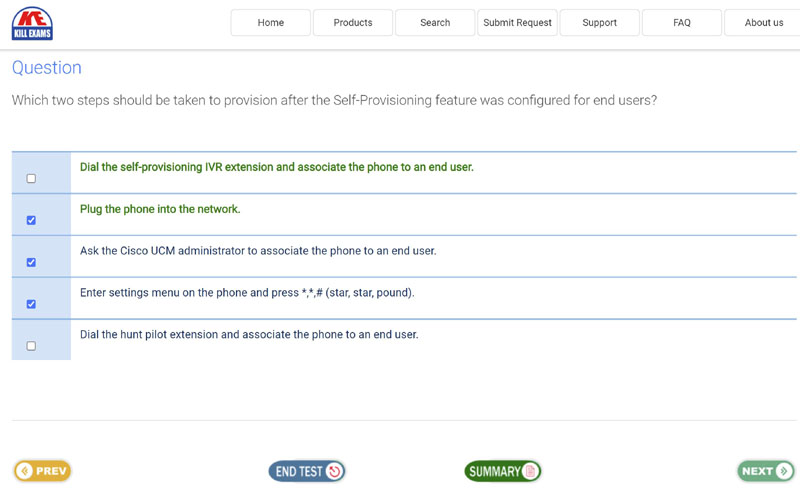
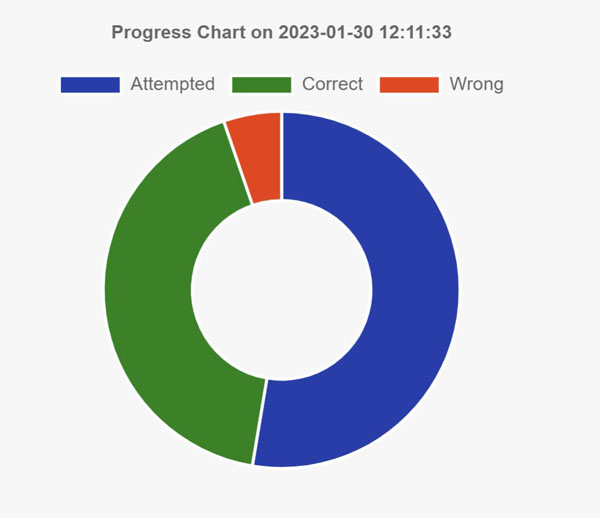
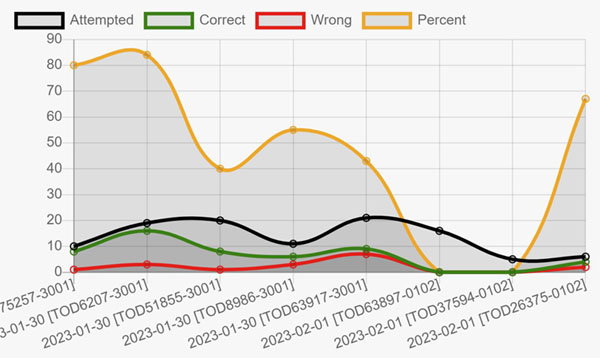
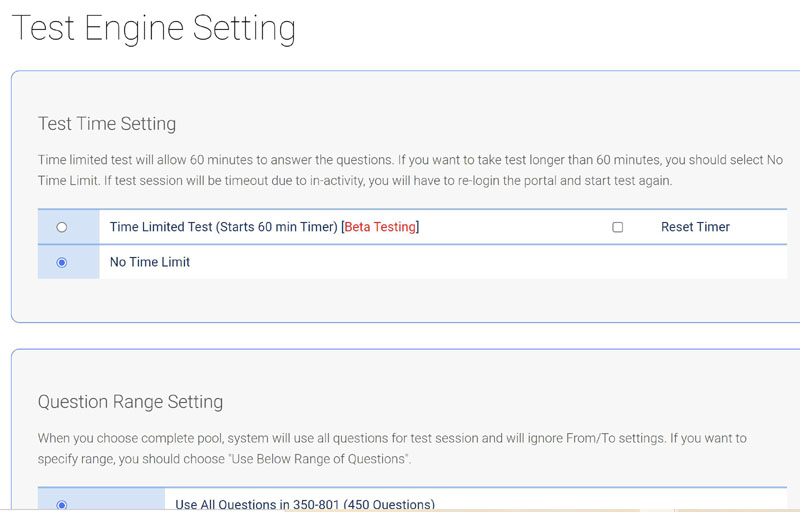
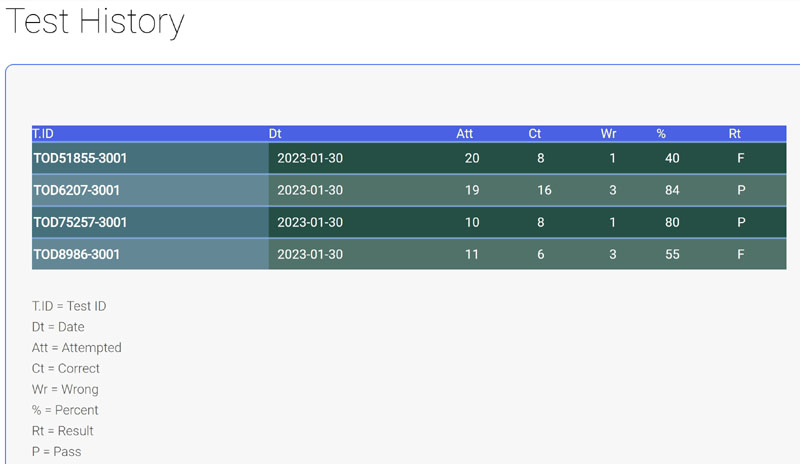
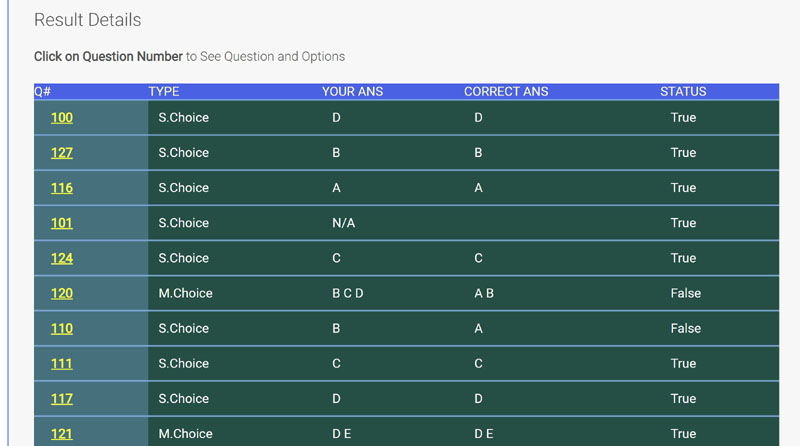
The Online Test Engine maintains practice history, performance summaries, and visual progress reports. Where available, questions may include explanations or reference information to support better understanding of exam topics. Content is reviewed and updated periodically to reflect relevant syllabus changes and maintain consistency with exam objectives.
| Desktop Test Engine Questions | : 203 |
| Software Version | : 3.0.9 |
| Access | : Unlimited |
| Latest Update | : March 17, 2026 |
| Access Activation | : Instant (5 to 10 min.) |
| Support OS | : Windows (All Versions) |
| Delivery Method | : Username/Password |
|
|
The Killexams Desktop exam Simulator (version 3.0.9) is a dedicated test preparation software designed to support candidates preparing for the CGFM exam. The simulator provides a structured desktop-based practice environment that allows users to work through exam-style questions and review their performance in detail.
By practicing with the Certified Government Financial Manager exam Simulator, candidates can become familiar with question formats, exam navigation, and time-based testing conditions similar to those used in official exams. This experience helps users build confidence across exam subjects and identify areas that may require additional study.
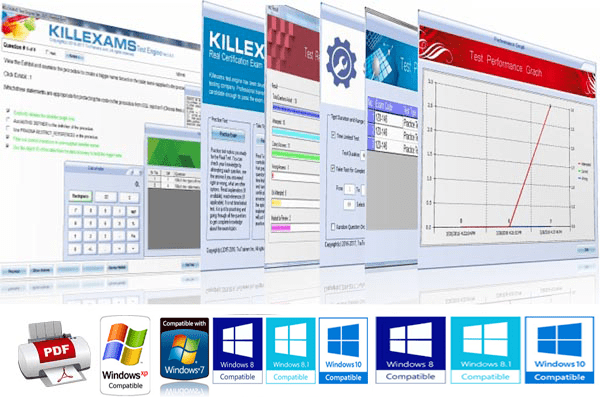
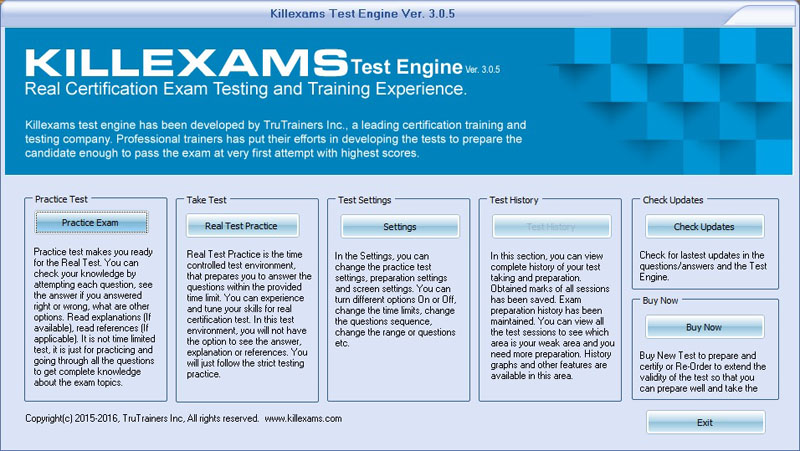
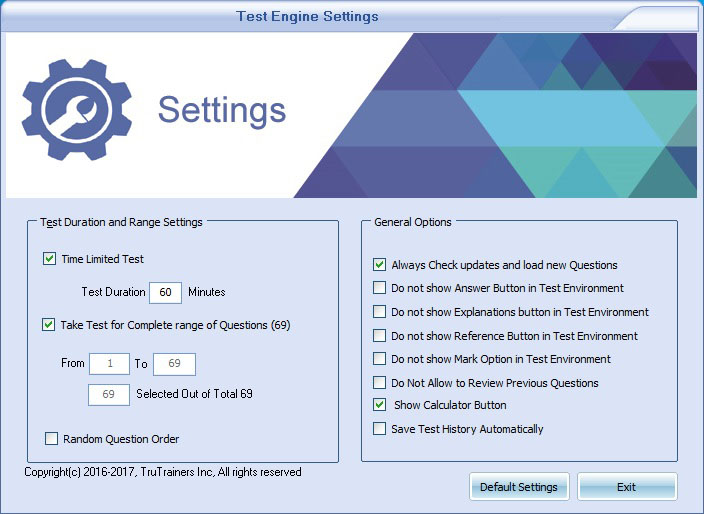
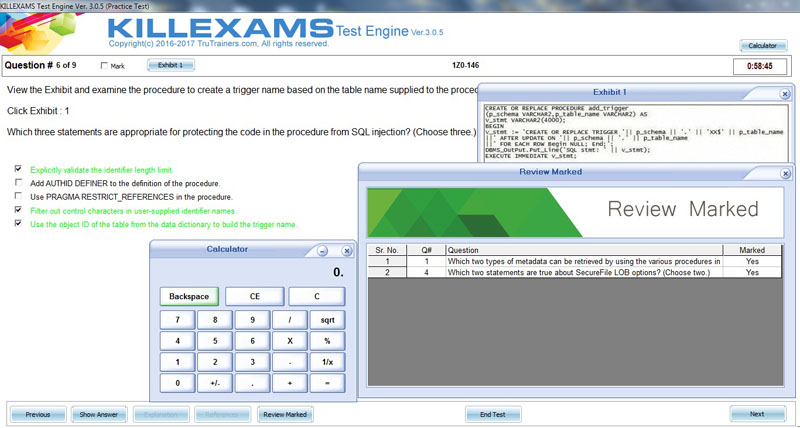
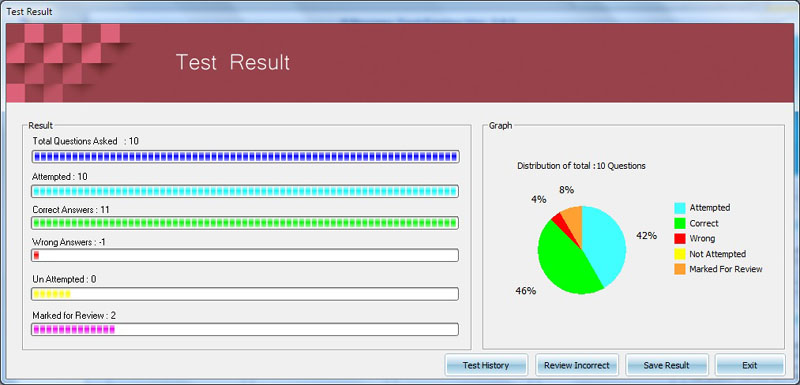
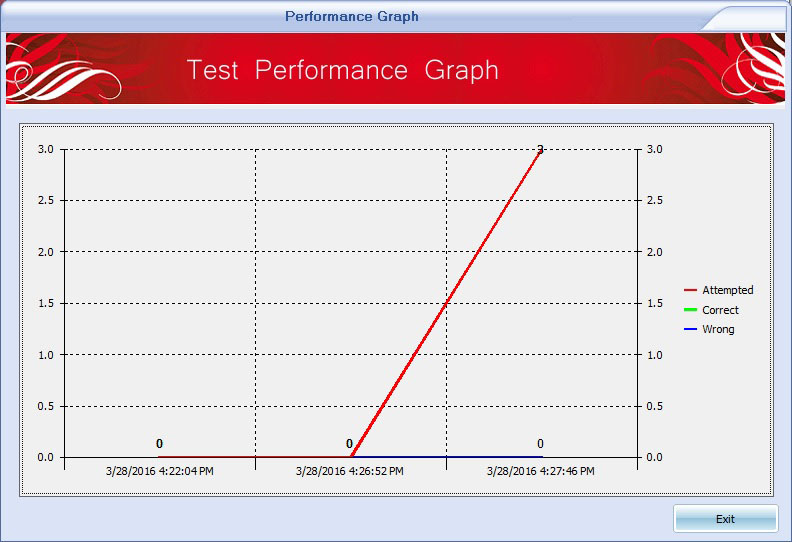
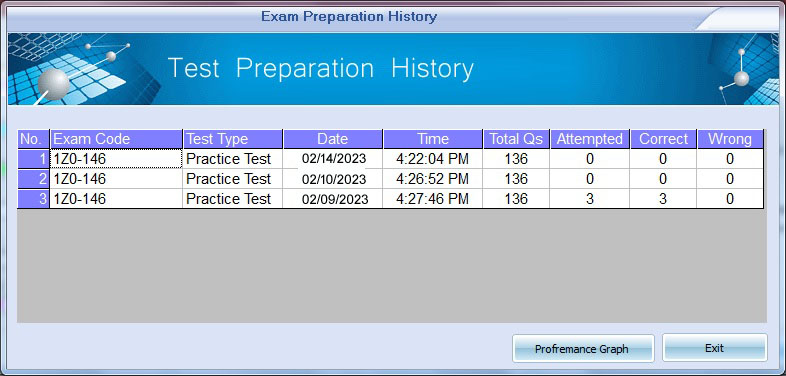
The Desktop exam Simulator records practice history, performance summaries, and graphical progress reports. Where available, questions may include explanations or reference information to support understanding of correct and incorrect answers. The simulator content is reviewed and updated periodically to remain aligned with current exam objectives and syllabus requirements.

Selecting a trustworthy provider for certification practice questions can be challenging, as the quality and reliability of resources vary widely. Killexams.com is committed to delivering top-tier practice questions and exam dumps, ensuring our materials are always current, valid, and effective. Unlike less reputable services that may lead to disappointment, Killexams.com prioritizes customer satisfaction, offering meticulously crafted practice questions that follow the actual exam in PDF as well as test eingine which is an advanced exam simulator designed to help candidates to practice practice questions and succeed with confidence. Our dedication to quality is reflected in the trust and success of thousands of satisfied customers who have passed their exams with ease using our resources.
We take pride in maintaining the highest standards of integrity, ensuring our practice questions contain accurate and actual questions. While some competitors may spread misleading claims about Killexams.com, we encourage you to explore our sample questions and exam simulator to experience the quality firsthand. Visit Killexams.com to discover why we are a trusted leader in certification preparation, empowering candidates to achieve their goals with confidence.
Is Killexams.com Legit?
Yes, Killexams is 100 percent legit along with fully efficient. There are several characteristics that makes killexams.com authentic and legitimate. It provides up to date and 100 percent valid exam questions that contains real exams questions and answers. Price is surprisingly low as compared to the majority of the services online. The Questions Answers are up-to-date on frequent basis with most recent testprep. Killexams account method and solution delivery is really fast. Computer file downloading is actually unlimited and incredibly fast. Support is avaiable via Livechat and Email address. These are the features that makes killexams.com a sturdy website that include practice questions with real exams questions.
Are killexams practice questions Reliable?
The simple answer is YES – you can rely on killexams.com for authentic and updated exam Questions and Answers. Many so-called exam dumps, practice tests, study guides, and braindumps providers in the market are just re-sellers offering outdated or recycled content. Killexams.com stands out as the best exam Preparation Website of Year 2026 because we understand the real challenge candidates face when wasting time on obsolete material from free PDF downloads or unreliable sources. That’s why our exam dumps collection is updated regularly, in sync with the Real Test updates.
At killexams.com, we provide trusted, accurate, and frequently validated VCE exam Questions created by Certified Professionals. Our reliable MCQs is maintained daily to ensure you study the latest syllabus subjects and course content. With our updated PDF test questions and Practice Tests, you not only pass your exam quickly but also Excellerate your knowledge of the latest exam syllabus.
To guarantee exam success, simply get our PDF exam Questions and start practicing. When you upgrade to our Premium Version, registration takes only a few minutes, and your login details will be delivered to your email instantly. Your account will also include free access to all future updates and newly added MCQs. You can re-download the Premium PDF files without any limits.
Killexams.com also offers advanced Test Engine Software that simulates the actual exam environment. You can attempt Real exam Questions, track your performance, and practice unlimited times until you achieve 100% readiness. Once you start scoring full marks with the complete question pool, you will be fully prepared for the actual certification exam. Register today, schedule your test, and enjoy guaranteed success with killexams.com.
GFMC premium pdf | CGFM PDF Download | GE syllabus | GAFRB study help |
CGFM - Certified Government Financial Manager Latest Topics
CGFM - Certified Government Financial Manager Practice Test
CGFM - Certified Government Financial Manager questions
CGFM - Certified Government Financial Manager Latest Questions
CGFM - Certified Government Financial Manager exam Cram
CGFM - Certified Government Financial Manager test
CGFM - Certified Government Financial Manager information hunger
CGFM - Certified Government Financial Manager learn
CGFM - Certified Government Financial Manager techniques
CGFM - Certified Government Financial Manager premium pdf
CGFM - Certified Government Financial Manager Free exam PDF
CGFM - Certified Government Financial Manager Study Guide
CGFM - Certified Government Financial Manager exam Questions
CGFM - Certified Government Financial Manager Test Prep
CGFM - Certified Government Financial Manager exam syllabus
CGFM - Certified Government Financial Manager book
CGFM - Certified Government Financial Manager questions
CGFM - Certified Government Financial Manager Real exam Questions
CGFM - Certified Government Financial Manager Free PDF
CGFM - Certified Government Financial Manager PDF Questions
CGFM - Certified Government Financial Manager Practice Questions
CGFM - Certified Government Financial Manager Latest Questions
CGFM - Certified Government Financial Manager certification
CGFM - Certified Government Financial Manager PDF Download
CGFM - Certified Government Financial Manager study tips
CGFM - Certified Government Financial Manager exam Questions
CGFM - Certified Government Financial Manager exam Questions
CGFM - Certified Government Financial Manager learning
CGFM - Certified Government Financial Manager information source
CGFM - Certified Government Financial Manager exam Questions
CGFM - Certified Government Financial Manager questions
CGFM - Certified Government Financial Manager learn
CGFM - Certified Government Financial Manager official questions
CGFM - Certified Government Financial Manager testprep questions
CGFM - Certified Government Financial Manager real questions
CGFM - Certified Government Financial Manager test
CGFM - Certified Government Financial Manager guide
CGFM - Certified Government Financial Manager PDF Download
CGFM - Certified Government Financial Manager exam Cram
CGFM - Certified Government Financial Manager Latest Topics
CGFM - Certified Government Financial Manager official test
CGFM - Certified Government Financial Manager tricks
CGFM - Certified Government Financial Manager Test Prep
CGFM - Certified Government Financial Manager course outline
CGFM Free exam PDF | GE learning | GAFRB Test Prep | GFMC exam cram |
CFTe-II training material | DSST-HRM practice exam | CQA Question Bank | COH-125 free questions | COH-500 test example | COH-285 exam results | COH-100 practice questions | COH-350 study guide | COH-284 practice exam | COH-150 exam prep | MS-102 latest pdf | AZ-700 practice questions | MD-102 mock test | MB-700 exam cram | MB-800 free questions | Property-and-Casualty computer adaptive test | Vault-Operations-Professional testprep | RDMS-AB practice questions | Vault-Associate-003 free pdf | Terraform-Associate-004 mock questions |
https://www.instapaper.com/read/1321182314
http://feeds.feedburner.com/GetHighMarksInCgfmExamWithTheseDumps
https://draft.blogger.com/comment.g?blogID=9877556&postID=111665955761114342&page=1&token=1595375699343
https://arfansaleem685.blogspot.com/2020/09/cgfm-certified-government-financial.html
https://youtu.be/yp6UCWYFcQk
http://killexams12.blogdigy.com/cgfm-certified-government-financial-manager-cgfm-practice-test-by-killexams-com-11393930
https://sites.google.com/view/killexams-cgfm-study-guide
https://drp.mk/i/Fj2KpnkqhZ
https://www.coursehero.com/file/84058271/Certified-Government-Financial-Manager-CGFM-CGFMpdf/
https://files.fm/f/22hekf8hr
Similar Websites :
iPass4sure Certification Questions
Pass4Sure exam Questions
