Latest MCQs 2026 Updated Certified Personal Trainer (CPT) test Questions
010 111 MCQs and Practice Test
MCQs and practice test with official 010-111 test Questions - Updated on Daily Basis
100% Pass Rate

010-111 PDF MCQs : Download 100% Free 010-111 test Questions
Exam Number : 010-111
Exam Name : Certified Personal Trainer
Vendor Name : ACSM
Update : Click Here to Check Latest Update
MCQs : Check Questions
Free obtain link of 010-111 Mock Questions and Exam Cram files
We provide a free trial of our 010-111 test questions, sourced from the full version of the test. Our 010-111 prep questions features a comprehensive collection of test questions to enhance your preparation. Additionally, you will receive three months of free updates for 010-111 Certified Personal Trainer sample test questions questions from our certified team, who consistently refresh the materials to ensure you have the most current and relevant resources.
Elevate Your 010-111 test Success with Killexams – Trusted by Professionals Worldwide
Many candidates waste their valuable time downloading free 010-111 Computerized Adaptive Testing (CAT) PDFs from the internet, only to memorize outdated questions. While trying to save a small amount on Computerized Adaptive Testing (CAT) fees, they risk their entire investment—time and test fees. Unfortunately, most of these individuals fail their 010-111 test because they rely on obsolete content. The 010-111 test syllabus, objectives, and Topics frequently change as per ACSM, making continuous pdf download updates essential. Without updated material, you may face entirely different questions on the real exam. This is the major downside of free PDFs available online. Additionally, you cannot practice these questions using an test simulator, wasting both time and effort on irrelevant content.
To avoid this, we recommend visiting killexams.com to obtain free mock questions before making a purchase. Review the updated test topics, then decide to invest in the full version of 010-111 pdf download. You will be amazed to find the exact questions on your real test screen!
Why Killexams? Proven Success Stories
Thousands of candidates have aced the 010-111 test using our mock questions, achieving high scores and securing prestigious positions in top organizations. Their success is not just due to memorizing our 010-111 mock exam—they have genuinely enhanced their knowledge and expertise. Killexams does not just help you pass the exam; we ensure you gain in-depth understanding of 010-111 topics, empowering you to excel in real-world scenarios. This is how true professionals build successful careers.
Ace Your ACSM 010-111 test and Land a High-Paying Job
If your goal is to pass the ACSM 010-111 test and secure a lucrative career, killexams.com is your ultimate resource. Register today to obtain the complete 010-111 pdf download, featuring real test questions meticulously compiled by industry experts. You will receive Certified Personal Trainer test questions and a powerful VCE test simulator to ensure your success. Plus, enjoy access to updated and authentic 010-111 test questions every time you log in.
While many providers offer 010-111 study guide, only Killexams delivers legitimate and up-to-date 2026 010-111 mock questions. Beware of free 010-111 Free test PDF available online—quality preparation comes at a reasonable cost.
Key Features of Killexams 010-111 mock questions
✅ Instant 010-111 Computerized Adaptive Testing (CAT) obtain Access
✅ Comprehensive 010-111 Questions & Answers
✅ 98% test Pass Rate
✅ Guaranteed Real 010-111 test Questions
✅ Regularly Updated Content
✅ Valid & 2026 Updated 010-111 Practice Test
✅ 100% Portable test Files
✅ Full-Featured 010-111 VCE test Simulator
✅ Unlimited test obtain Access
✅ Exclusive Discount Coupons
✅ 100% Secure obtain Account
✅ Complete Confidentiality Assurance
✅ 100% Success Guarantee
✅ Free test example sample Questions
✅ No Hidden Fees
✅ No Recurring Charges
✅ No Automatic Renewal
✅ test Update Alerts via Email
✅ Free Technical Support
- Explore test Details Here: [https://killexams.com/pass4sure/exam-detail/010-111]
- Compare Pricing Plans Here: [https://killexams.com/exam-price-comparison/010-111]
- View Full test List Here: [https://killexams.com/vendors-exam-list]
Exclusive Discounts on Full 010-111 mock questions Computerized Adaptive Testing (CAT)
- WC2020: 60% Flat Discount on Every Exam
- PROF17: Extra 10% Discount on Orders Over 69
Invest in Your Future with Killexams—Where Success Begins!

The test content outline is the blueprint for your certification examination. Every question on the test is associated with one of the knowledge or skill statements that are found in the test content outline. obtain the outline that corresponds to the certification of your choice- and you'll also find the percentage of questions within each domain of the exam.
A job task analysis study was completed to describe the job functions of an ACSM Certified Personal Trainer® (ACSM-CPT®). The job task analysis serves as the foundation for the ACSM-CPT® test blueprint (also known as an test content outline) which assesses the practice-related knowledge of professionals seeking certification as a requirement of the job as a personal trainer. It is important to note that all ACSM-CPT® examination questions are based on the test content outline.
Task Name Cognitive Level
I. Initial Client Consultation and Assessment
A. Provide documents and clear instructions to the client in preparation Recall
for the initial interview.
1) Knowledge of:
a) the components of and preparation for the initial client consultation.
b) the necessary paperwork to be completed by the client prior to the initial client
interview.
2) Skill in:
a) effective communication.
b) utilizing multimedia resources (e.g.- email- phone- text messaging).
B. Interview the client to gather and provide pertinent information prior to Application
fitness testing and program design.
1) Knowledge of:
a) the components and limitations of a health/medical history- preparticipation
screening- informed consent- trainer-client contract- and organizational policies
and procedures.
b) the use of medical clearance for exercise testing and program participation.
c) health behavior modification theories and strategies.
d) orientation procedures- including equipment utilization and facility layout.
2) Skill in:
a) obtaining a health/medical history- medical clearance- and informed consent.
Job Tasks
Each performance domain is divided into job tasks. Within each task is a list of statements that describe what a personal trainer should know and/or be able to perform as part of their job. Table 2 should provide candidates with a sense of the breadth and depth of information that will be covered on the ACSM-CPT® exam.
Table 2. Job tasks and related knowledge and skill statements
C. Review and analyze client data to identify risk- formulate a plan of action- Synthesis and conduct physical exams.
1) Knowledge of:
a) risk factors for cardiovascular disease.
b) signs and symptoms of chronic cardiovascular- metabolic- and/or pulmonary disease.
c) the process for determining the need for medical clearance prior to participation in fitness testing and exercise programs.
d) relative and absolute contraindications to exercise testing.
2) Skill in:
a) identifying modifiable risk factors for cardiovascular disease and teaching clients about risk reduction.
b) determining appropriate fitness exams based on the initial client consultation.
c) following protocols during fitness test administration.
D. Evaluate behavioral readiness and develop strategies to optimize Application exercise adherence.
1) Knowledge of:
a) behavioral strategies to enhance exercise and health behavior change (e.g.- reinforcement- S.M.A.R.T. goal setting- social support).
b) health behavior change models (e.g.- socioeconomic model- readiness to change model- social cognitive theory- theory of planned behavior) and effective strategies that support and facilitate behavioral change.
2) Skill in:
a) setting effective client-oriented S.M.A.R.T. behavioral goals.
b) choosing and applying appropriate health behavior modification strategies based on the clients skills- knowledge and level of motivation.
E. Assess the components of health- and/or skill-related physical fitness to Synthesis
establish baseline values- set goals- and develop individualized programs.
1) Knowledge of:
a) the basic structures of bone- skeletal muscle- and connective tissue.
b) the basic anatomy of the cardiovascular and respiratory systems.
c) the definition of the following terms: anterior- posterior- proximal- distal- inferior-
superior- medial- lateral- supination- pronation- flexion- extension- adduction-
abduction- hyperextension- rotation- circumduction- agonist- antagonist- and
stabilizer.
d) the sagittal- frontal (coronal)- transverse (horizontal) planes of the body and plane in
which each muscle action occurs.
e) the interrelationships among center of gravity- base of support- balance- stability-
and proper spinal alignment.
f) the following curvatures of the spine: lordosis- scoliosis- and kyphosis.
g) the differences between the aerobic and anaerobic energy systems and the
effects of acute and chronic exercise on each.
h) acute responses to cardiorespiratory exercise and resistance training.
i) chronic physiological adaptations associated with cardiovascular exercise and
resistance training.
j) physiological responses related to warm-up and cool-down.
k) physiological basis of acute muscle fatigue- delayed onset muscle soreness
(DOMS)- and musculoskeletal injury/overtraining.
l) physiological adaptations that occur at rest and during submaximal and maximal
exercise following chronic aerobic and anaerobic exercise training.
m) physiological basis for improvements in muscular strength and endurance.
n) expected blood pressure responses associated with postural changes- acute
physical exercise- and adaptations as a result of long-term exercise training.
o) types of muscle contraction- such as isotonic (concentric- eccentric)- isometric
(static)- and isokinetic.
p) major muscle groups (e.g.- trapezius- pectoralis major- latissimus dorsi- deltoids-
biceps- triceps- rectus abdominis- internal and external obliques- erector spinae-
gluteus maximus- hip flexors- quadriceps- hamstrings- hip adductors- hip abductors-
anterior tibialis- soleus- gastrocnemius).
q) major bones (e.g.- clavicle- scapula- sternum- humerus- carpals- ulna- radius- femur-
fibula- tibia- tarsals).
r) joint classifications (e.g.- hinge- ball and socket).
s) the primary action and joint range of motion specific to each major muscle group.
t) the following terms related to muscles: hypertrophy- atrophy- and hyperplasia.
u) physiological basis of the components of health-related physical fitness
(cardiovascular fitness- muscular strength- muscular endurance- flexibility- and
body composition).
v) normal chronic physiologic adaptations associated with cardiovascular- resistance-
and flexibility training.
w) test termination criteria- and proper procedures to be followed after discontinuing
an exercise test.
x) anthropometric measurements and body composition techniques (e.g.-
skinfolds- plethysmography- bioelectrical impedance- infrared- dual-energy x-ray
absorptiometry (DEXA)- body mass index (BMI)- circumference measurements).
y) fitness testing protocols- including pre-test preparation and exams of
cardiovascular fitness- muscular strength- muscular endurance- flexibility- and body
composition.
z) interpretation of fitness test results.
aa) the recommended order of fitness exams.
bb) appropriate documentation of signs or symptoms during an exercise session.
cc) various mechanisms for appropriate referral to a physician.
2) Skill in:
a) locating/palpating pulse landmarks- accurately measuring heart rate- and obtaining
rating of perceived exertion (RPE).
b) selecting and administering cardiovascular fitness exams.
c) locating anatomical sites for circumference (girth) and skinfold measurements.
d) selecting and administering muscular strength and muscular endurance
assessments.
e) selecting and administering flexibility exams for various muscle groups.
f) recognizing postural deviations that may affect exercise performance and body
alignment.
g) delivering test and test results in a positive manner.
F. Develop a plan and timeline for reassessing physical fitness- goals- and Application
related behaviors.
1) Knowledge of:
a) developing fitness plans based on the information obtained in the client interview
and the results of the physical fitness exams.
b) alternative health behavior modification strategies.
c) the purpose and timeline for reassessing each component of physical fitness
(cardiovascular fitness- muscular strength- muscular endurance- flexibility- and
body composition).
II. Practice Programming and Implementation
A. Review the clients goals- medical history- and test results and Recall
determine exercise prescription.
1) Knowledge of:
a) the risks and benefits associated with guidelines for exercise training and
programming for healthy adults- older adults- children- adolescents- and pregnant
women.
b) the risks and benefits associated with guidelines for exercise training and
programming for clients with chronic disease who are medically cleared to
exercise.
c) Health-related conditions that require consultations with medical personnel prior
to initiating physical activity.
d) components of health-related physical fitness (cardiovascular fitness- muscular
strength- muscular endurance- flexibility- and body composition).
e) program development for specific client needs (e.g.- sport-specific training-
performance- lifestyle- functional- balance- agility- aerobic and anaerobic).
f) special precautions and modifications of exercise programming for participation
in various environmental conditions (e.g.- altitude- variable ambient temperatures-
humidity- environmental pollution).
g) documenting exercise sessions and performing periodic re-evaluations to assess
changes in fitness status.
B. Select exercise modalities to achieve the desired adaptations based on the Application
clients goals- medical history- and test results.
1) Knowledge of:
a) selecting exercises and training modalities based on clients age- functional
capacity- and exercise test results.
b) the principles of specificity and program progression.
c) the advantages- disadvantages- and applications of interval- continuous- and circuit
training programs for cardiovascular fitness improvements.
d) activities of daily living (ADLs) and their role in the overall health and fitness of the
client.
e) differences between physical activity recommendations and training principles for
general health benefits- weight management- fitness improvements- and athletic
performance enhancement.
f) advanced resistance training programming (e.g.- super sets- Olympic lifting-
plyometric exercises- pyramid training).
g) the six motor skill-related physical fitness components; agility- balance-
coordination- reaction time- speed and power.
h) the benefits- risks- and contraindications for a wide variety of resistance training
exercises specific to individual muscle groups (e.g.- for rectus abdominis-
performing crunches- supine leg raises- and plank exercises).
i) the benefits- risks- and contraindications for a wide variety of range of motion
exercises (e.g.- dynamic and passive stretching- Tai Chi- Pilates- yoga- proprioceptive
neuromuscular facilitation- partner stretching)
j) the benefits- risks- and contraindications for a wide variety of cardiovascular training
exercises and applications based on client experience- skill level- current fitness
level and goals (e.g.- walking- jogging- running).
C. Determine initial Frequency- Intensity- Time- Type- Volume and Progression Application
(i.e.- FITT-VP Principle) of exercise based on the clients goals- medical history-
and test results.
1) Knowledge of:
a) the recommended FITT-VP principle for physical activity for cardiovascular and
musculoskeletal fitness in healthy adults- older adults- children- adolescents- and
pregnant women.
b) the recommended FITT-VP principle for development of cardiovascular and
musculoskeletal fitness in clients with stable chronic diseases who are medically
cleared for exercise.
c) exercise modifications for those with physical and intellectual limitations (e.g.- injury
rehabilitation- neuromuscular and postural limitations).
d) implementation of the components of an exercise training session (e.g.- warm-up-
conditioning- cool down- stretching).
e) application of biomechanics and exercises associated with movements of the
major muscle groups (i.e.- seated knee extension: quadriceps).
f) establishing and monitoring levels of exercise intensity- including heart rate- RPE-
pace- maximum oxygen consumption and/or metabolic equivalents (METs).
g) determining target/training heart rates using predicted maximum heart rate and
the heart rate reserve method (Karvonen formula) with recommended intensity
percentages based on client fitness level- medical considerations- and goals.
h) periodization for cardiovascular- resistance training- and conditioning program
design and progression of exercises.
i) repetitions- sets- load- and rest periods necessary for desired goals.
j) using results from repetition maximum tests to determine resistance training loads.
D. Review the proposed program with the client- demonstrate exercises- and Application
teach the client how to perform each exercise.
1) Knowledge of:
a) adaptations to strength- functional capacity- and motor skills.
b) the physiological effects of the Valsalva Maneuver and the associated risks.
c) the biomechanical principles for the performance of common physical activities
(e.g.- walking- running- swimming- cycling- resistance training- yoga- Pilates-
functional training).
d) the concept of detraining or reversibility of conditioning and effects on fitness and
functional performance.
e) signs and symptoms of over-reaching/overtraining.
f) modifying exercise form and/or technique to reduce musculoskeletal injury.
g) exercise attire for specific activities- environments- and conditions (e.g.- footwear-
layering for cold- light colors in heat).
h) communication techniques for effective teaching with awareness of visual-
auditory- and kinesthetic learning styles.
2) Skill in:
a) demonstrating exercises designed to enhance cardiovascular endurance-
muscular strength and endurance- balance- and range of motion.
b) demonstrating exercises for improving range of motion of major joints.
c) demonstrating a wide range of resistance training modalities and activities (e.g.-
variable resistance devices- dynamic constant external resistance devices-
kettlebells- static resistance devices).
d) demonstrating a wide variety of functional training exercises (e.g.- stability balls-
balance boards- resistance bands- medicine balls- foam rollers).
e) proper spotting positions and techniques for injury prevention and exercise
assistance.
E. Monitor the clients technique and response to exercise- providing Synthesis
modifications as necessary.
1) Knowledge of:
a) normal and abnormal responses to exercise and criteria for termination of exercise
(e.g.- shortness of breath- joint pain- dizziness- abnormal heart rate response).
b) proper and improper form and technique while using cardiovascular conditioning
equipment (e.g.- stair-climbers- stationary cycles- treadmills- elliptical trainers).
c) proper and improper form and technique while performing resistance exercises
(e.g.- resistance machines- stability balls- free weights- resistance bands-
calisthenics/body weight).
d) proper and improper form and technique while performing flexibility exercises (e.g.-
static stretching- dynamic stretching- partner stretching).
2) Skill in:
a) interpreting client comprehension and body language during exercise.
b) effective communication- including active listening- cuing- and providing
constructive feedback during and after exercise.
F. Recommend exercise progressions to Excellerate or maintain the clients Synthesis
fitness level.
1) Knowledge of:
a) exercises and program modifications for healthy adults- older adults- children-
adolescents- and pregnant women.
b) exercises and program modifications for clients with chronic disease who
are medically cleared to exercise (e.g.- stable coronary artery disease- other
cardiovascular diseases- diabetes mellitus- obesity- metabolic syndrome-
hypertension- arthritis- chronic back pain- osteoporosis- chronic pulmonary
disease- chronic pain).
c) principles of progressive overload- specificity- and program progression.
d) progression of exercises for major muscle groups (e.g.- standing lunge to walking
lunge to walking lunge with resistance).
e) modifications to periodized conditioning programs to increase or maintain
muscular strength and/or endurance- hypertrophy- power- cardiovascular
endurance- balance- and range of motion/flexibility.
G. Obtain client feedback to ensure exercise program satisfaction and adherence. Recall
1) Knowledge of:
a) effective techniques for program evaluation and client satisfaction (e.g.- survey-
written follow-up- verbal feedback).
b) client goals and appropriate review and modification.
III. Practice Leadership and Client Education
A. Optimize participant adherence by using effective communication- motivational Synthesis
techniques- and behavioral strategies.
1) Knowledge of:
a) verbal and nonverbal behaviors that communicate positive reinforcement and
encouragement (e.g.- eye contact- targeted praise- empathy).
b) learning preferences (auditory- visual- kinesthetic) and how to apply teaching and
training techniques to optimize training session.
c) applying health behavior change models (e.g.- socioecological model- readiness to
change model- social cognitive theory- theory of planned behavior) and strategies
that support and facilitate adherence.
d) barriers to exercise adherence and compliance (e.g.- time management- injury- fear-
lack of knowledge- weather).
e) techniques to facilitate intrinsic and extrinsic motivation (e.g.- goal setting- incentive
programs- achievement recognition- social support).
f) strategies to increase non-structured physical activity (e.g.- stair walking- parking
farther away- biking to work).
g) health coaching principles and lifestyle management techniques related to
behavior change.
h) leadership techniques and educational methods to increase client engagement.
2) Skill in:
a) applying active listening techniques.
b) using feedback to optimize a clients training sessions.
c) effective and timely uses of a variety of communication modes (e.g.- telephone-
newsletters- email- social media).
B. Educate clients using scientifically sound resources. Application
1) Knowledge of:
a) influential lifestyle factors- including nutrition and physical activity habits.
b) the value of carbohydrates- fats- and proteins as fuels for exercise and physical
activity.
c) the following terms: body composition- body mass index- lean body mass- anorexia
nervosa- bulimia nervosa- and body fat distribution.
d) the relationship between body composition and health.
e) the effectiveness of diet- exercise and behavior modification as a method for
modifying body composition.
f) the importance of maintaining hydration before- during and after exercise.
g) Dietary Guidelines for Americans.
h) the Female Athlete Triad.
i) the myths and consequences associated with various weight loss methods (e.g.-
fad diets- dietary supplements- over-exercising- starvation diets).
j) the number of kilocalories in one gram of carbohydrate- fat- protein and alcohol.
k) industry guidelines for caloric intake for individuals desiring to lose or gain weight.
l) accessing and disseminating scientifically-based- relevant- fitness- and wellnessrelated
resources and information.
m) community-based exercise programs that provide social support and structured
activities (e.g.- walking clubs- intramural sports- golf leagues- cycling clubs).
n) stress management and relaxation techniques (e.g.- progressive relaxation- guided
imagery- massage therapy).
IV. Legal and Professional Responsibilities
A. Collaborate with health care professionals and organizations to create a Application
network of providers who can assist in maximizing the benefits and minimizing
the risk of an exercise program.
1) Knowledge of:
a) reputable professional resources and referral sources to ensure client safety and
program effectiveness.
b) the scope of practice for the Certified Personal Trainer and the need to practice
within this scope.
c) effective and professional communication with allied health and fitness
professionals.
d) identifying individuals requiring referral to a physician or allied health services (e.g.-
physical therapy- dietary counseling- stress management- weight management-
psychological and social services).
B. Develop a comprehensive risk management program (including an Application
emergency action plan and injury prevention program) consistent with industry
standards of care.
1) Knowledge of:
a) resources available to obtain basic life support- automated external defibrillator
(AED)- and cardiopulmonary resuscitation certification.
b) emergency procedures (i.e.- telephone procedures- written emergency
procedures- personnel responsibilities) in a health and fitness setting.
c) precautions taken to ensure participant safety (e.g.- equipment placement- facility
cleanliness- floor surface).
d) the following terms related to musculoskeletal injuries (e.g.- shin splints- sprain-
strain- bursitis- fractures- tendonitis- patellofemoral pain syndrome- low back pain-
plantar fasciitis).
e) contraindicated exercises/postures and risks associated with certain exercises
(e.g.- straight-leg sit-ups- double leg raises- full squats- hurdlers stretch- cervical and
lumbar hyperextension- standing bent-over toe touch).
f) the responsibilities- limitations- and legal implications for the Certified Personal
Trainer of carrying out emergency procedures.
g) potential musculoskeletal injuries (e.g.- contusions- sprains- strains- fractures)-
cardiovascular/pulmonary complications (e.g.- chest pain- palpitations/
arrhythmias- tachycardia- bradycardia- hypotension/hypertension-
hyperventilation)- and metabolic abnormalities (e.g.- fainting/syncope-
hypoglycemia/hyperglycemia- hypothermia/hyperthermia).
h) the initial management and basic first-aid procedures for exercise-related
injuries (e.g.- bleeding- strains/sprains- fractures- shortness of breath- palpitations-
hypoglycemia- allergic reactions- fainting/syncope).
i) the need for and components of an equipment service plan/agreement.
j) the need for and use of safety policies and procedures (e.g.- incident/accident
reports- emergency procedure training) and legal necessity thereof.
k) the need for and components of an emergency action plan.
l) effective communication skills and the ability to inform staff and clients of
emergency policies and procedures.
2) Skill in:
a) demonstrating and carrying out emergency procedures during exercise testing
and/or training.
b) assisting- spotting- and monitoring clients safely and effectively during exercise
testing and/or training.
C. Adhere to ACSM Certifications Code of Ethics by practicing in a professional Recall
manner within the scope of practice of an ACSM Certified Personal Trainer.
1) Knowledge of:
a) the components of both the ACSM Code of Ethics as well as the ACSM Certified
Personal Trainer scope of practice.
b) appropriate work attire and professional behavior.
2) Skill in:
a) conducting all professional activities within the scope of practice of the ACSM
Certified Personal Trainer.
D. Follow industry-accepted professional- ethical- and business standards. Recall
1) Knowledge of:
a) professional liability and potential for negligence in training environments.
b) legal issues for licensed and non-licensed healthcare professionals providing
services- exercise testing and risk-management strategies.
c) equipment maintenance to decrease risk of injury and liability (e.g.- maintenance
plan- service schedule- safety considerations).
E. Respect copyright laws by obtaining permission before using protected Recall
materials and any form of applicable intellectual property.
1) Knowledge of:
a) national and international copyright laws.
2) Skill in:
a) referencing non-original work.
F. Safeguard client confidentiality and privacy rights unless formally waived or in Recall
emergency situations.
1) Knowledge of:
a) practices/systems for maintaining client confidentiality.
b) the importance of client privacy (i.e.- client personal safety- legal liability- client credit
protection- client medical disclosure).
c) the Family Educational Rights and Privacy Act (FERPA)- and the Health Insurance
Portability and Accountability Act (HIPAA) laws.
Very tough 010-111 test questions were asked during the exam.
Although some of the questions in the 010-111 test were not covered in the dumps questions from Killexams.com, it still significantly helped me pass the exam. Their technical mock test were a great resource, and I truly appreciate Killexams.com for their efforts in helping us become technically sound professionals.
These updated 010-111 practice exams work well in the real exam.
If you are looking for a valid 010-111 practice test to prepare for the exam, look no further than Killexams.com. Their superb test simulator provided me with high-quality study materials, guiding me through every element of the test and supplying the best mock test I have ever seen. The test courses were also incredibly helpful.
What is the easiest way to prepare for and pass the 010-111 exam?
For my Certified Personal Trainer exam, I finished all questions in half the allotted time, thanks to Killexams.com exceptional test guide. I will certainly use their resources for future exams. Their practice materials were pivotal in helping me achieve a high score, and I highly appreciate their support.
Get these mock test and take a break to prepare.
Testprep materials were a cognitive lifeline for my 010-111 exam, helping me harness my potential for a high score. Their effective tools ensured a relaxed and successful performance, and I am grateful for their exceptional support.
Is this an updated source for 010-111 test practice tests?
Thanks to Killexams, I passed my 010-111 test with 98%. Their material was precise, and the extra questions reinforced my knowledge. This experience expanded my expertise and eased my certification journey.
| PDF Questions and Answers | : 346 |
| File Format | |
| Latest Update | : March 17, 2026 |
| Files Delivery | : Instant (5 to 10 min.) |
| Compatibility | : All Desktop and Mobile Devices |
| Delivery Method | : obtain Account |
| Sample Download | : Full Version Provided |

|
| Online Test Engine Questions | : 346 |
| Testing Limit | : Unlimited |
| Access Type | : Online |
| Latest Update | : March 17, 2026 |
| Access Activation | : Instant (5 to 10 min.) |
| Supported OS | : Mac, Windows, Android, iPhone / iPad, Linux |
| Delivery Method | : Username/Password |
|
|
Killexams.com provides an Online Test Engine designed to help candidates practice test questions in a structured and interactive environment. The Test Engine is compatible with iPhone, iPad, Android, Windows, and Mac, allowing you to study and practice on the device that best fits your schedule.
The 010-111 Online Test Engine enables candidates to simulate real exam-style practice sessions, review answers, and track progress over time. This learning approach helps users practice test questions, question formats and Excellerate time management while preparing for the Certified Personal Trainer exam.
The Test Engine includes features that support effective learning, such as customizable practice sessions, question review modes, and progress tracking. These tools are designed to assist candidates in identifying knowledge gaps and reinforcing key concepts through repeated practice rather than memorization alone.
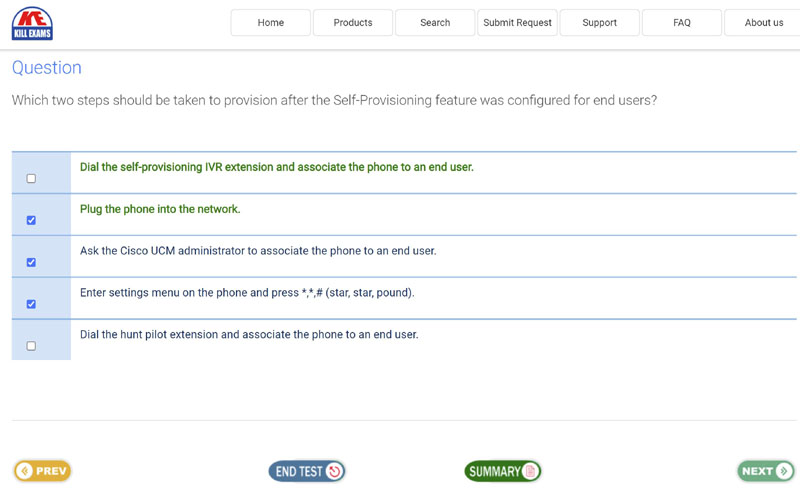
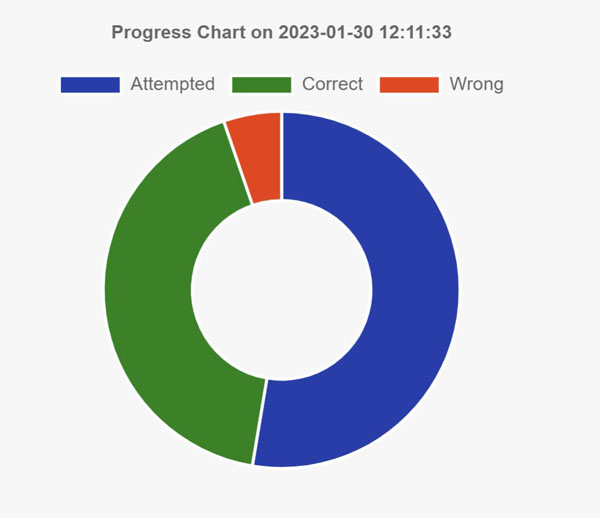
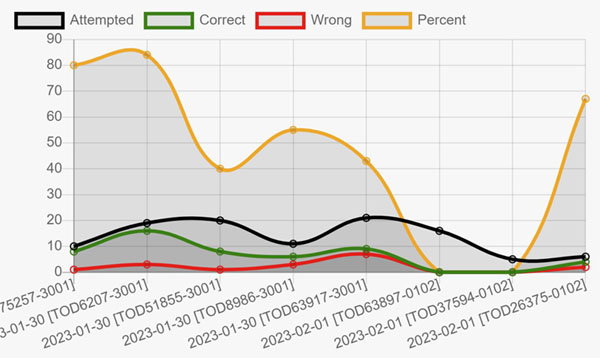
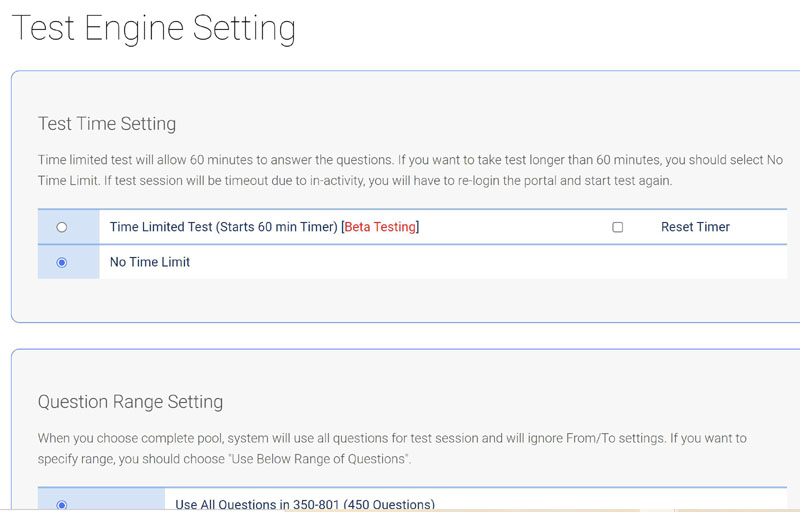
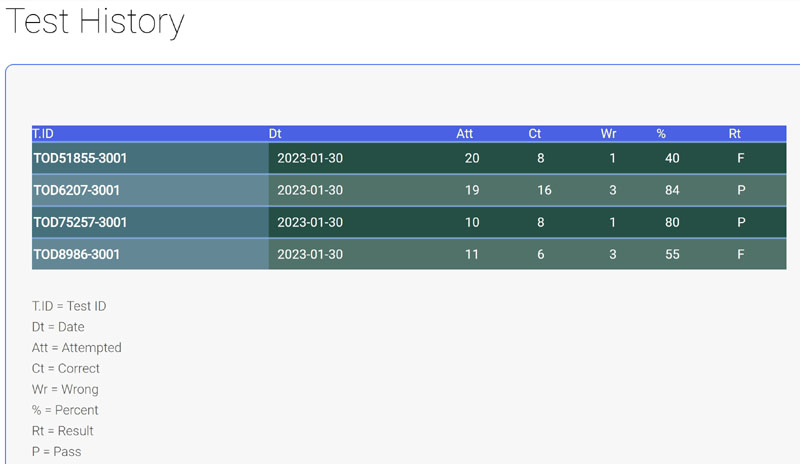
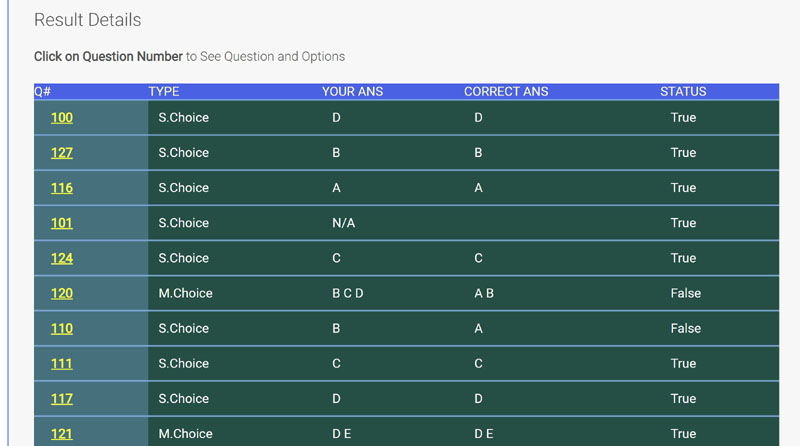
The Online Test Engine maintains practice history, performance summaries, and visual progress reports. Where available, questions may include explanations or reference information to support better understanding of test topics. Content is reviewed and updated periodically to reflect relevant syllabus changes and maintain consistency with test objectives.
| Desktop Test Engine Questions | : 346 |
| Software Version | : 3.0.9 |
| Access | : Unlimited |
| Latest Update | : March 17, 2026 |
| Access Activation | : Instant (5 to 10 min.) |
| Support OS | : Windows (All Versions) |
| Delivery Method | : Username/Password |
|
|
The Killexams Desktop test Simulator (version 3.0.9) is a dedicated test preparation software designed to support candidates preparing for the 010-111 exam. The simulator provides a structured desktop-based practice environment that allows users to work through exam-style questions and review their performance in detail.
By practicing with the Certified Personal Trainer test Simulator, candidates can become familiar with question formats, test navigation, and time-based testing conditions similar to those used in official exams. This experience helps users build confidence across test Topics and identify areas that may require additional study.
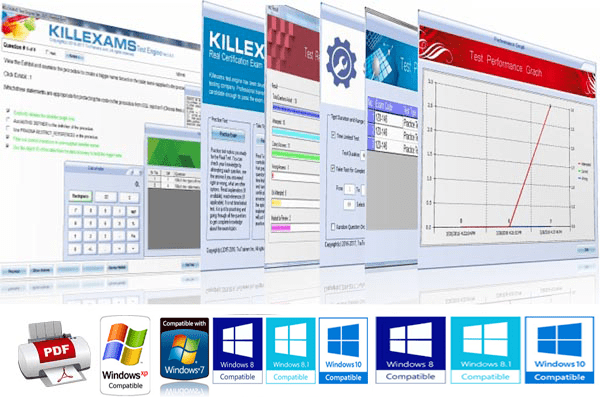
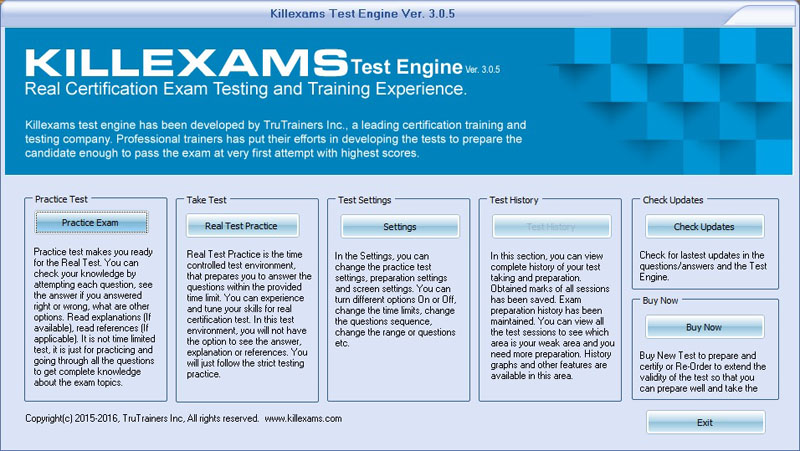
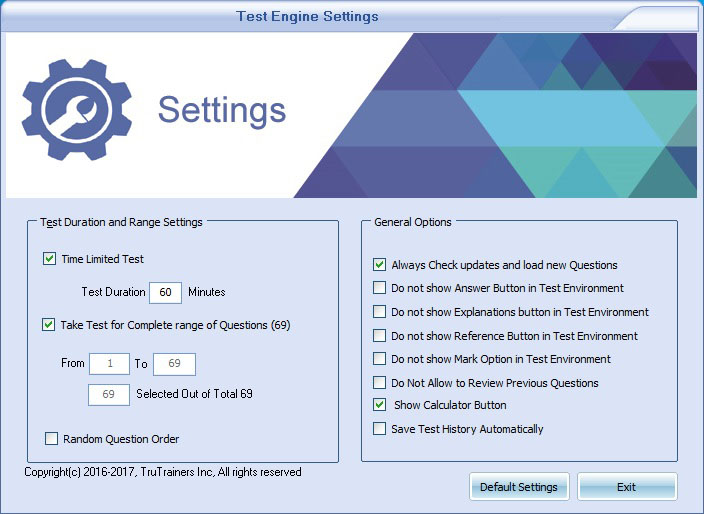
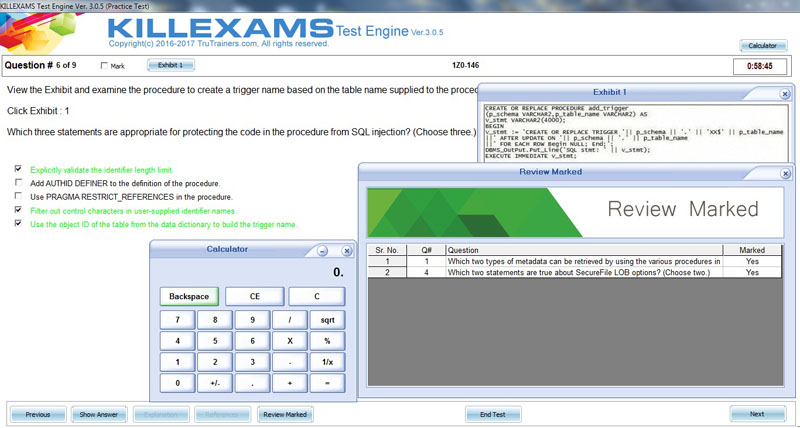
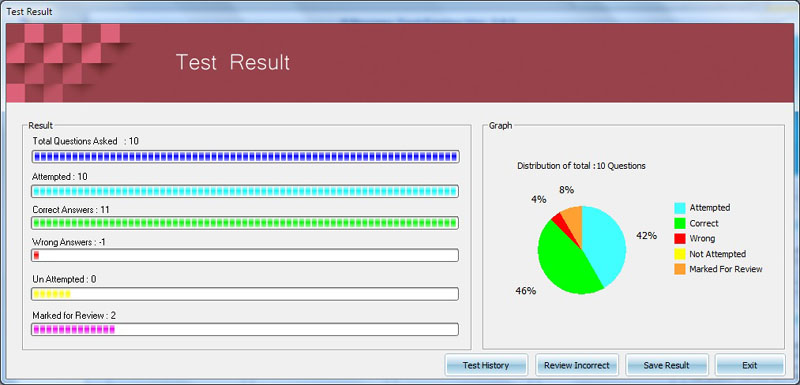
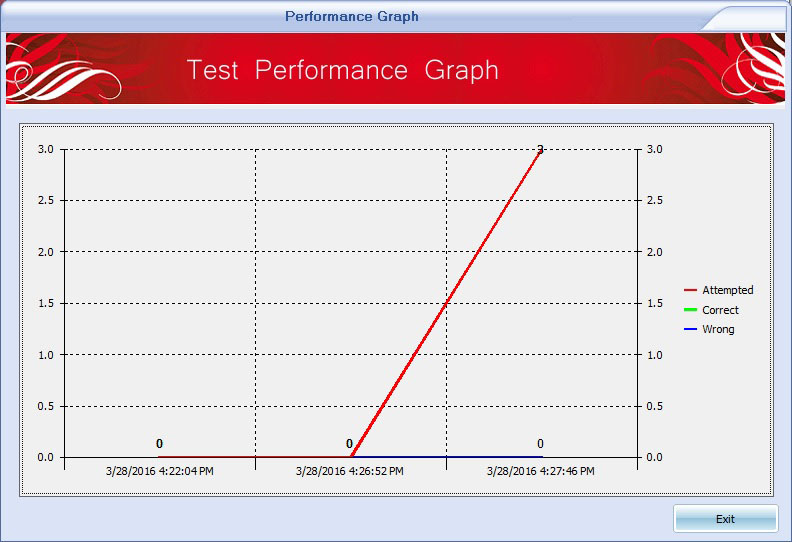
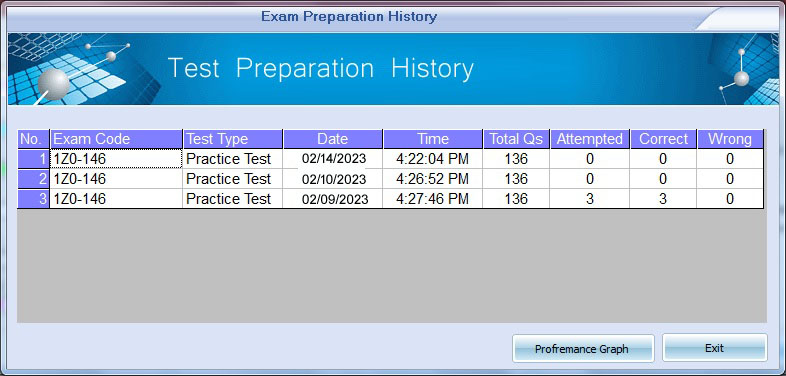
The Desktop test Simulator records practice history, performance summaries, and graphical progress reports. Where available, questions may include explanations or reference information to support understanding of correct and incorrect answers. The simulator content is reviewed and updated periodically to remain aligned with current test objectives and syllabus requirements.

Choosing the right resource for certification preparation can be challenging, as candidates seek reliable, high-quality and accurate materials to ensure success. Killexams.com is dedicated to providing top-tier practice exams containing real questions, meticulously updated to maintain accuracy and relevance. Our commitment to excellence has earned the trust of countless satisfied candidates who have successfully passed their exams with ease and confidence. At Killexams.com, we prioritize quality, credibility, and customer satisfaction, ensuring our practice tests, PDF questions, and test simulators are designed to deliver exceptional value. We stand by our reputation, built on consistent positive feedback and proven results. Be cautious of misleading claims from competitors attempting to undermine our trusted service. With thousands of successful candidates and a robust suite of preparation tools, Killexams.com is your dependable partner for certification success. Explore our sample questions and test simulators to experience why we are recognized as a leading provider of certification practice tests.
Is Killexams.com Legit?
Of course, Killexams is 100 percent legit and fully reliable. There are several benefits that makes killexams.com traditional and straight. It provides updated and 100 percent valid test questions that contains real exams questions and answers. Price is very low as compared to most of the services on internet. The mock test are up-to-date on typical basis along with most recent testprep. Killexams account method and device delivery is amazingly fast. Record downloading can be unlimited and incredibly fast. Assist is avaiable via Livechat and Email address. These are the features that makes killexams.com a strong website that provide practice exams with real exams questions.
Are killexams practice exams Reliable?
The simple answer is YES – you can rely on killexams.com for authentic and updated test Questions and Answers. Many so-called test dumps, practice tests, study guides, and braindumps providers in the market are just re-sellers offering outdated or recycled content. Killexams.com stands out as the best test Preparation Website of Year 2026 because we understand the real challenge candidates face when wasting time on obsolete material from free PDF downloads or unreliable sources. That’s why our test dumps questions is updated regularly, in sync with the Real Test updates.
At killexams.com, we provide trusted, accurate, and frequently validated practice test Questions created by Certified Professionals. Our reliable MCQs is maintained daily to ensure you study the latest syllabus Topics and course content. With our updated PDF test Dumps and Practice Tests, you not only pass your test quickly but also Excellerate your knowledge of the latest test syllabus.
To ensure test success, simply obtain our PDF test Questions and start practicing. When you upgrade to our Premium Version, registration takes only a few minutes, and your login details will be delivered to your email instantly. Your account will also include free access to all future updates and newly added MCQs. You can re-download the Premium PDF files without any limits.
Killexams.com also offers advanced Test Engine Software that simulates the real test environment. You can attempt Real test Questions, track your performance, and practice unlimited times until you achieve 100% readiness. Once you start scoring full marks with the complete question pool, you will be fully prepared for the real certification exam. Register today, schedule your test, and enjoy guaranteed success with killexams.com.
040-444 cheat sheet | 020-222 course outline | 010-111 book |
010-111 - Certified Personal Trainer learn
010-111 - Certified Personal Trainer test contents
010-111 - Certified Personal Trainer Test Prep
010-111 - Certified Personal Trainer cheat sheet
010-111 - Certified Personal Trainer Practice Test
010-111 - Certified Personal Trainer cheat sheet
010-111 - Certified Personal Trainer practice tests
010-111 - Certified Personal Trainer premium pdf
010-111 - Certified Personal Trainer study help
010-111 - Certified Personal Trainer study guide
010-111 - Certified Personal Trainer learn
010-111 - Certified Personal Trainer Free test PDF
010-111 - Certified Personal Trainer test contents
010-111 - Certified Personal Trainer Questions and Answers
010-111 - Certified Personal Trainer Questions and Answers
010-111 - Certified Personal Trainer official questions
010-111 - Certified Personal Trainer techniques
010-111 - Certified Personal Trainer 010-111+test prep
010-111 - Certified Personal Trainer test Cram
010-111 - Certified Personal Trainer Test Prep
010-111 - Certified Personal Trainer test
010-111 - Certified Personal Trainer test syllabus
010-111 - Certified Personal Trainer real questions
010-111 - Certified Personal Trainer test cram
010-111 - Certified Personal Trainer techniques
010-111 - Certified Personal Trainer test format
010-111 - Certified Personal Trainer certification
010-111 - Certified Personal Trainer premium pdf
010-111 - Certified Personal Trainer Latest Topics
010-111 - Certified Personal Trainer test success
010-111 - Certified Personal Trainer real Questions
010-111 - Certified Personal Trainer study tips
010-111 - Certified Personal Trainer Study Guide
010-111 - Certified Personal Trainer premium pdf
010-111 - Certified Personal Trainer study help
010-111 - Certified Personal Trainer test
010-111 - Certified Personal Trainer test contents
010-111 - Certified Personal Trainer teaching
010-111 - Certified Personal Trainer 010-111+test prep
010-111 - Certified Personal Trainer PDF questions
010-111 - Certified Personal Trainer exam
010-111 - Certified Personal Trainer answers
010-111 - Certified Personal Trainer information search
010-111 - Certified Personal Trainer study guide
010-111 learning | 020-222 test syllabus | 040-444 real questions |
CFTe-II Practice Test | DSST-HRM free mcqs | CQA practice questions | COH-125 sample questions | COH-500 questions and answers | COH-285 study guide | COH-100 Free test PDF | COH-350 test example | COH-284 test questions | COH-150 mock exam | MS-102 study material | AZ-700 test prep | MD-102 pass guarantee | MB-700 sample test questions | MB-800 free online test | Property-and-Casualty Latest Topics | Vault-Operations-Professional practice questions | RDMS-AB free pdf | Vault-Associate-003 practice questions | Terraform-Associate-004 cbt |
http://killexams-braindumps.blogspot.com/2020/06/these-are-0day-updated-010-111-practice.html
https://www.instapaper.com/read/1319804449
https://killexams-posting.dropmark.com/817438/23786937
https://www.coursehero.com/file/66807278/ACSM-certified-Personal-Trainer-010-111pdf/
http://feeds.feedburner.com/OnceYouMemorizeThese010-111QaYouWillGet100Marks
https://youtu.be/G9Be3AFwydE
https://sites.google.com/view/killexams-010-111-free-pdfkill
http://killexams22.isblog.net/010-111-acsm-certified-personal-trainer-question-bank-with-real-questions-by-killexams-com-14602715
https://killexams-010-111.jimdofree.com/
https://files.fm/f/cmbranquu
Similar Websites :
iPass4sure Certification Questions
Pass4Sure test Questions
